
Understanding cardiology care
Cardiology concerns the heart and blood vessels. Chest discomfort, breathlessness, palpitations, fainting and reduced exercise tolerance can have cardiac or non-cardiac causes. Timely assessment is important, particularly when symptoms are sudden, severe or associated with sweating, nausea or collapse.
People searching online for cardiology in varanasi, a specialist near Lanka or a hospital near BHU often want to know three things: what may be causing the symptom, which tests are useful and how quickly medical attention is needed. Reliable care starts with a clinical assessment rather than a search-term match. Similar symptoms can arise from different diseases, and the right treatment depends on the person’s age, medical history, examination and investigation results.
At New H.T. Hospital, Bogabir, Lanka, opposite BHU Hospital in Varanasi, patients can contact the hospital to ask about the current cardiology consultation pathway. The hospital website lists multiple medical departments and facilities. Please verify the availability of a particular consultant, test or procedure before travelling, because schedules and service scope can change.

Conditions commonly assessed
The following topics are common reasons people seek information about cardiology care. They are not a self-diagnosis checklist. A doctor considers the complete clinical picture, and more than one condition may be present at the same time.
1. High Blood Pressure
High Blood Pressure
High blood pressure may develop gradually or appear suddenly, depending on the underlying cause. The clinician will ask when the symptoms started, whether they are getting worse, and whether there are associated changes in daily function. The history and examination help distinguish this concern from other conditions that can look similar.
2. Coronary Artery Disease
Coronary Artery Disease
When considering coronary artery disease, relevant context can include age, family history, existing illnesses, recent infections or injuries, lifestyle and prescribed medicines. These factors do not prove a diagnosis, but they help the clinician decide which possibilities need to be considered and whether an assessment should be routine or urgent.
3. Chest Pain
Chest Pain
People may describe chest pain in different ways, and not everyone experiences the same warning signs. Record the pattern, frequency, severity and triggers of symptoms, along with anything that improves or worsens them. Sudden deterioration, severe pain, fainting, confusion or breathing difficulty should not be managed by relying on an online article.

4. Heart Failure
Heart Failure
Evaluation of heart failure is guided by the suspected cause. A focused examination may be followed by selected blood or urine tests, imaging or another specialist assessment. Tests are not interchangeable: the clinician should explain what each investigation is intended to clarify and whether preparation or follow-up is required.
5. Arrhythmia And Palpitations
Arrhythmia and Palpitations
A useful consultation about arrhythmia and palpitations includes a review of earlier episodes, treatment tried so far and the response to that treatment. Bring old prescriptions and reports where possible. This can help avoid repeating investigations unnecessarily and can reveal whether the condition is new, recurring or part of a longer-term pattern.
6. Valve Disorders
Heart Valve Disorders
The impact of valve disorders can range from mild and self-limited to persistent or disabling. The treatment plan therefore depends on severity, the likely cause, other health conditions and the person’s preferences. Some situations need monitoring and supportive care; others need medicines, a procedure or referral to another clinical team.
7. High Cholesterol
High Cholesterol
For high cholesterol, it is important to understand both the immediate concern and factors that may contribute to recurrence. A clinician may discuss prevention, risk-factor control, activity or dietary adjustments where relevant, and a follow-up interval. General advice found online should be adapted to the individual rather than followed as a fixed prescription.
8. Heart Attack Warning Signs
Heart Attack Warning Signs
Some symptoms associated with heart attack warning signs overlap with conditions managed by other specialties. Coordinated care may therefore be appropriate, especially when a patient has multiple illnesses or takes several medicines. The treating clinician can explain whether another department’s opinion is needed and which issue should be addressed first.
9. Fainting And Syncope
Fainting and Syncope
The course of fainting and syncope varies between individuals. Ask what changes should be expected, which symptoms should prompt an earlier review and how progress will be assessed. If a recommended treatment causes a new or concerning reaction, contact the treating team instead of independently changing the dose or stopping essential medicines.
10. Cardiovascular Risk In Diabetes
Cardiovascular Risk in Diabetes
A diagnosis related to cardiovascular risk in diabetes should be based on clinical assessment rather than a single symptom or isolated test result. The clinician interprets findings together, discusses uncertainty where it remains and explains the next step. This approach is particularly important when symptoms are persistent, unexplained or affecting everyday activities.
Symptoms: when to arrange a medical consultation
Arrange a medical review when a symptom is persistent, recurrent, unexplained or progressively affecting work, sleep, mobility, eating, hydration or other daily activities. Keep a short record of when it started, how often it occurs, what makes it better or worse and whether it is associated with fever, pain, swelling, weight change, reduced activity or changes in normal bodily function.
The importance of a symptom depends on its onset and context. A mild symptom over several weeks may need a planned consultation, while a sudden severe symptom may need emergency care. People with diabetes, high blood pressure, heart or kidney disease, pregnancy, older age or a weakened immune system may need earlier assessment. Do not delay care because an online article describes a symptom as common.
Bring a list of current medicines, allergies, previous diagnoses and relevant family history. Include over-the-counter pain relievers, herbal products and supplements, because these can affect medical decisions. If symptoms began after a new medicine or procedure, mention the timing. Accurate information helps the clinician decide whether observation, tests, treatment or referral is appropriate.
Diagnosis and investigations
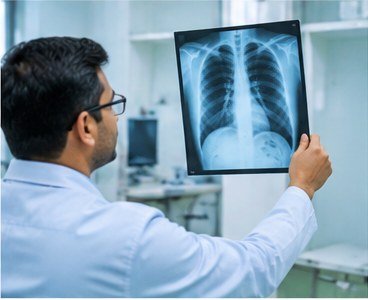
Assessment for cardiology concerns begins with a careful history and physical examination. The clinician may ask about symptom onset, severity, triggers, previous episodes, family history, lifestyle, existing illnesses and medicines. Investigations are selected only when they are likely to clarify the diagnosis or guide treatment. Depending on the concern, tests may include blood or urine analysis, imaging, ECG, ultrasound, X-ray or other specialist investigations. Test choice is individual; a broad package is not automatically better. Bring earlier reports so results can be compared over time.
For patients comparing options for cardiology in varanasi, it is important to understand that a test is useful only when interpreted in context. A normal result may not exclude every condition, and an abnormal result does not always establish a diagnosis by itself. Ask what a test is intended to detect, whether fasting or preparation is required, when the result will be available and who will explain it. Keep copies of reports for future visits.

Treatment planning and follow-up
Treatment for cardiology conditions depends on the confirmed diagnosis, severity, age, other health conditions and patient preferences. Options may include education, lifestyle changes, medicines, monitoring, rehabilitation, a procedure or referral to another specialty. A consultation should explain the intended benefit, possible side effects, alternatives and follow-up plan. Do not start prescription medicines, antibiotics, steroids or supplements based only on online information. If a procedure is proposed, ask about preparation, expected recovery, warning signs and whom to contact after discharge.
Good follow-up is part of treatment, not an optional extra. Ask which symptoms should improve, how soon improvement is expected, what side effects need attention and when to return. If the plan includes a medicine, clarify the dose, timing, duration and what to do if a dose is missed. If a procedure or hospital admission is being considered, ask about preparation, recovery, costs, alternatives and warning signs after discharge.
When to seek urgent medical attention
Seek urgent medical attention if symptoms are sudden, severe or rapidly worsening, or if there is chest pain, severe breathing difficulty, fainting, new confusion, seizure, uncontrolled bleeding, severe dehydration, sudden weakness, inability to stay awake or any other life-threatening concern. For possible stroke, heart attack, severe allergic reaction or major injury, do not wait for a routine department appointment. Call emergency services or go to the nearest emergency department.
Preparing for your hospital visit
Before travelling to New H.T. Hospital, call the contact number to confirm the current outpatient schedule for cardiology, whether an appointment is required and whether the relevant clinician will be available. Ask whether you should bring any referral letter, previous imaging, laboratory results or insurance and scheme documents. This simple check can reduce avoidable waiting and repeat visits.
At the consultation, describe the main concern first and mention the symptom that affects you most. Share the timeline, any earlier treatment and whether it helped. Tell the clinician about allergies, pregnancy possibility where relevant, chronic conditions and medicines. Ask questions if any instruction is unclear. A shared understanding of the plan supports safer and more consistent care.
After the visit, follow the written plan and keep follow-up appointments. If the condition changes, new symptoms appear or treatment causes a concerning reaction, contact the treating team for advice. Do not reuse an old prescription for a new episode without review, particularly for antibiotics, steroids, pain medicines or medicines that can affect kidney, liver or heart function.
Cardiology care in Lanka, BHU and Varanasi
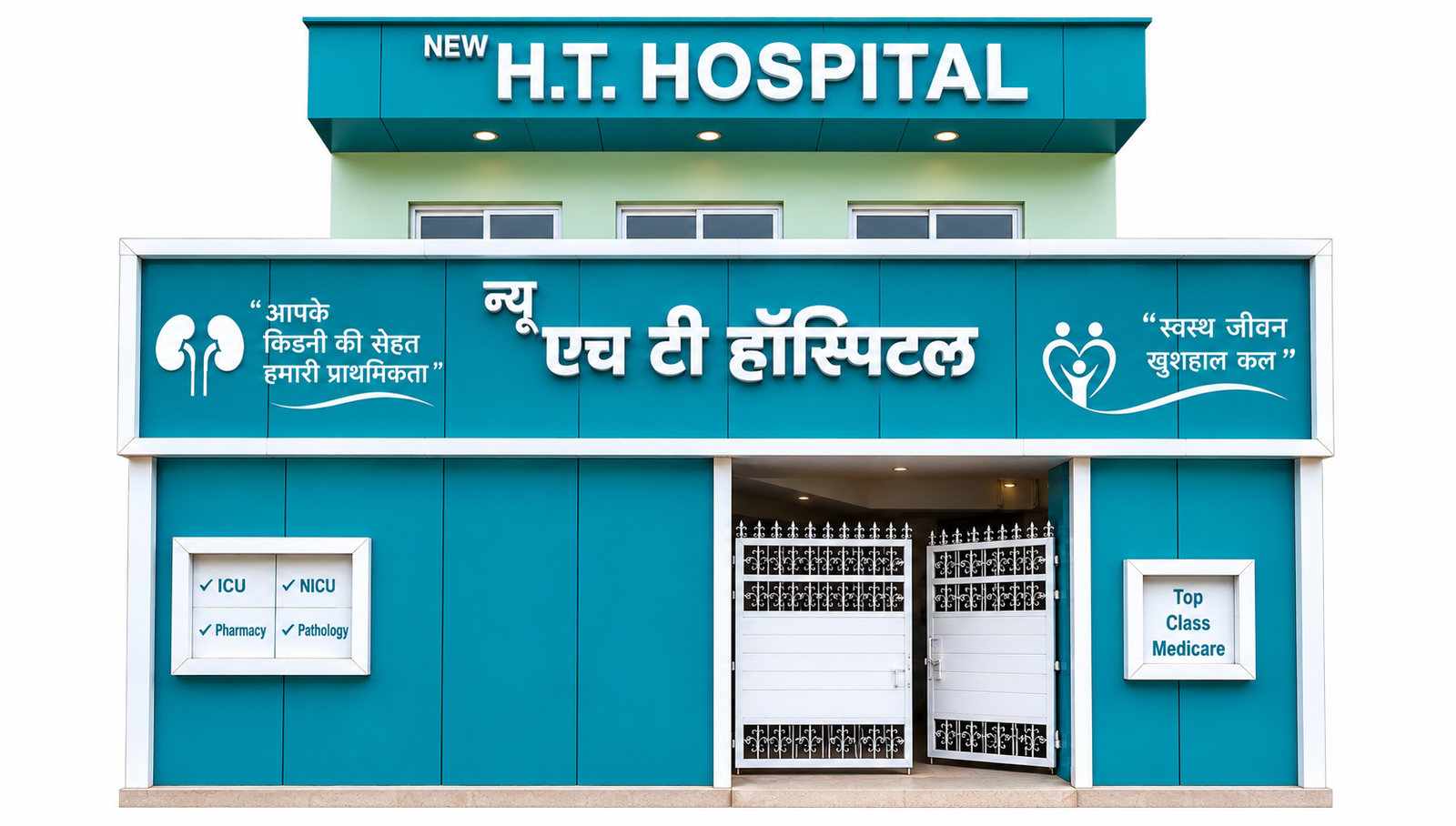
New H.T. Hospital is situated at Bogabir, Lanka, opposite BHU Hospital, Varanasi. The location may be accessible for patients travelling from Lanka, BHU, Assi, Durgakund, Sunderpur, Bhelupur, Manduadih, DLW, Ramnagar and surrounding localities. If you are searching for cardiology heart care and cardiovascular risk assessment near you, call ahead to confirm whether the relevant specialist is available, the current consultation schedule, investigations offered and appointment requirements. Do not assume that every test or procedure described in general medical information is available at this location.
Patients may search using phrases such as “cardiology in varanasi near me”, “cardiology doctor in Lanka”, “cardiology hospital near BHU” or “cardiology consultation in Varanasi”. These phrases describe a local search intent, but proximity alone should not determine where to seek care. Consider the clinician’s relevant qualifications, the service required, communication, follow-up arrangements and whether urgent care is needed. Contact the hospital directly for current, verifiable details rather than relying on assumptions from a search result.
New H.T. Hospital’s address is B31/62-A Bogabir, Lanka, Ahilyabai Colony, Opposite BHU Hospital, Varanasi, Uttar Pradesh 221005. For directions, use the map below or search for New H.T. Hospital, Bogabir, Lanka, Varanasi. If you are coming from outside Lanka, confirm travel time and appointment timing before departure.
New H.T. Hospital, Lanka, Varanasi
Frequently asked questions about cardiology
What does the cardiology department deal with?
Cardiology deals with conditions affecting the relevant organ system and related symptoms. A clinician assesses the history and examination, then recommends tests, treatment or referral according to the individual diagnosis.
When should I consult a cardiology specialist in Varanasi?
Arrange an assessment when symptoms are persistent, recurrent, worsening, unexplained or affecting daily life. Sudden severe symptoms or emergency warning signs need urgent medical attention rather than a routine appointment.
What tests may be needed?
Tests depend on the suspected condition. They may include blood or urine tests, imaging or other targeted investigations. The clinician will explain why a test is needed and how its result may change the care plan.
Can I book an appointment at New H.T. Hospital?
Call 7499854899 or 7985597252 to confirm current department availability, consultation timings and booking arrangements. The hospital is at B31/62-A Bogabir, Lanka, opposite BHU Hospital, Varanasi.
Do I need to bring previous medical reports?
Yes. Bring previous prescriptions, investigation reports, imaging and a current list of medicines. Earlier results can help the clinician understand the timeline and avoid unnecessary repeat testing.
Can I get treatment without an appointment?
Please call the hospital to confirm the current outpatient process. Emergency symptoms should not wait for a scheduled appointment; seek urgent care through the appropriate emergency service.
Are all procedures available at the hospital?
Availability depends on the diagnosis, clinical assessment, equipment, specialist schedule and referral requirements. Contact the hospital directly to confirm a specific test, procedure or specialist service before travelling.
Where is New H.T. Hospital located?
New H.T. Hospital is at B31/62-A Bogabir, Lanka, Ahilyabai Colony, opposite BHU Hospital, Varanasi, Uttar Pradesh 221005.
Contact New H.T. Hospital, Varanasi
For cardiology appointment enquiries, current clinic timings and service confirmation, contact the hospital directly.
Address: B31/62-A Bogabir, Lanka, Ahilyabai Colony, Opposite BHU Hospital, Varanasi, Uttar Pradesh 221005
Phone: 7499854899 · 7985597252
Email: lifecare2020july@gmail.com