Understanding dialysis and haemodialysis care
Dialysis is a treatment that performs some of the work normally carried out by healthy kidneys. It helps remove waste products and excess fluid and supports control of certain minerals when kidney function is severely reduced. This page explains haemodialysis, how a session works, vascular access, preparation, safety and questions to discuss with the treating nephrology team.
People searching for a dialysis centre in Varanasi, haemodialysis near Lanka or a dialysis hospital near BHU usually need clear information about treatment schedules, vascular access, safety, costs and how to arrange an assessment. The right dialysis plan depends on kidney function, symptoms, laboratory results and the treating team’s clinical evaluation. Reliable care starts with a clinical assessment rather than a search-term match. Similar symptoms can arise from different diseases, and the right treatment depends on the person’s age, medical history, examination and investigation results.
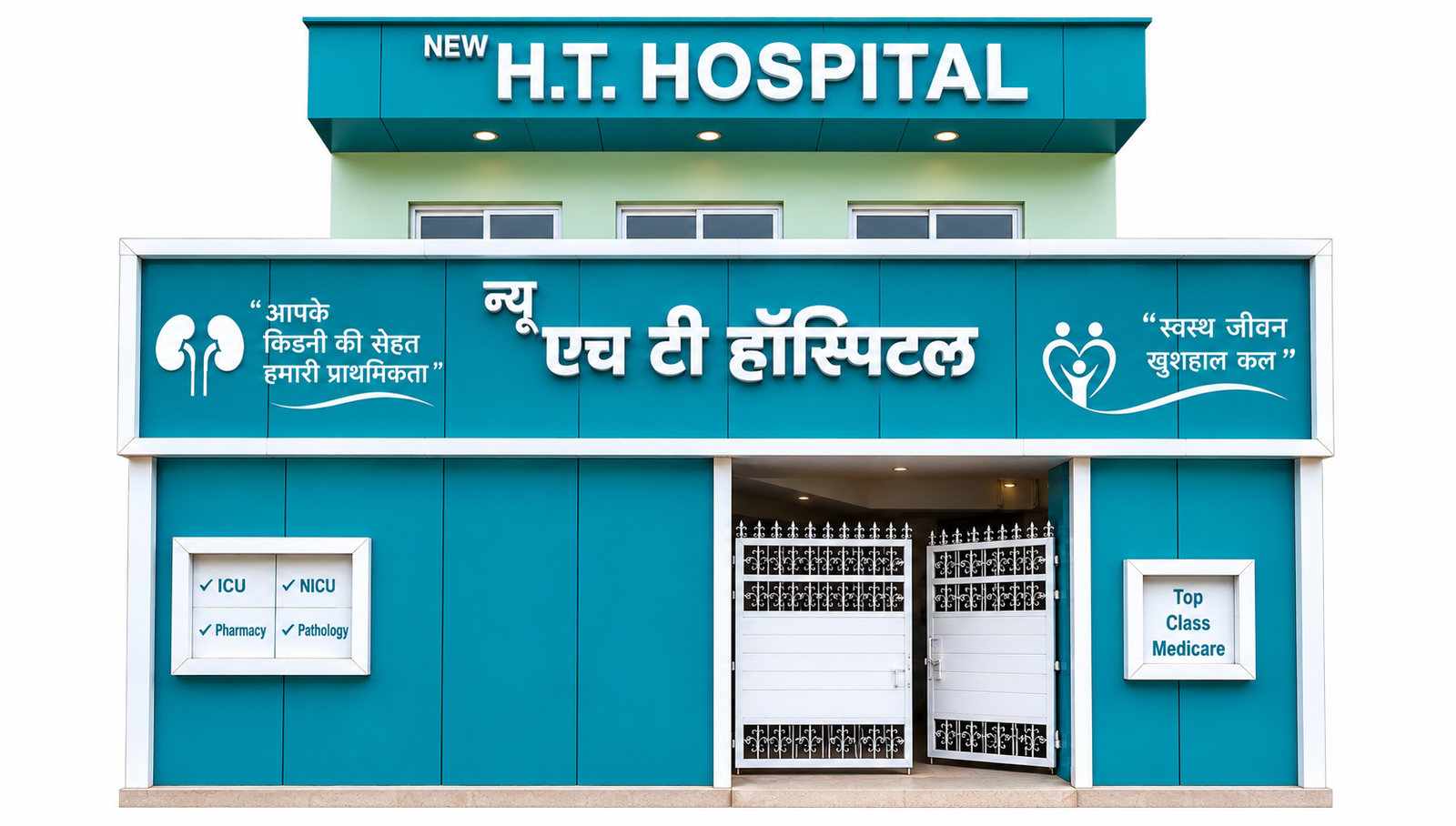
New H.T. Hospital is located at Bogabir, Lanka, opposite BHU Hospital, Varanasi. The hospital website describes a 24x7 haemodialysis service. Patients looking for dialysis treatment in Varanasi should call ahead to confirm current machine and session availability, admission or referral requirements, charges, scheme eligibility and the clinical team’s instructions before travelling.
Conditions commonly assessed
The following topics are common reasons people seek information about dialysis & hemodialysis care. They are not a self-diagnosis checklist. A doctor considers the complete clinical picture, and more than one condition may be present at the same time.
1. Chronic kidney failure
Advanced Chronic Kidney Disease
Some people with advanced chronic kidney disease reach a stage where the kidneys cannot adequately maintain fluid, electrolyte and waste balance. Dialysis may be recommended when symptoms or complications cannot be controlled sufficiently with other treatment. The timing is individualised and is not based on a single laboratory number.
2. Acute kidney injury
Acute Kidney Injury Requiring Temporary Dialysis
Temporary dialysis may be needed in selected cases of severe acute kidney injury, for example when dangerous electrolyte or acid–base disturbances, fluid overload or uraemic complications occur. Some patients recover kidney function and can stop dialysis; others may have persistent impairment. The treating team reassesses kidney function over time.
3. Fluid overload
Fluid Overload
When kidneys cannot remove enough water and salt, fluid may accumulate and cause leg swelling, raised blood pressure or breathlessness. Dialysis can remove fluid at a prescribed rate, but the amount must be planned carefully to avoid low blood pressure or cramps. Patients should follow their individual fluid and salt advice.
4. High potassium and other electrolyte problems
Severe Hyperkalaemia
Severe potassium elevation can affect the heart’s electrical activity and may become life-threatening. Dialysis is one possible treatment in selected situations, alongside urgent medical measures. Patients should never attempt to correct potassium levels with supplements, salt substitutes or home remedies without medical advice.
5. Uraemic symptoms
Uraemia and Waste Build-Up
When waste products build up, some people experience nausea, loss of appetite, itching, fatigue, sleep changes, difficulty concentrating or other symptoms. These symptoms can have multiple causes. The nephrologist assesses symptoms, examination and test trends to decide whether dialysis or another intervention is appropriate.
6. Dialysis access problems
Vascular Access: AV Fistula, Graft and Catheter
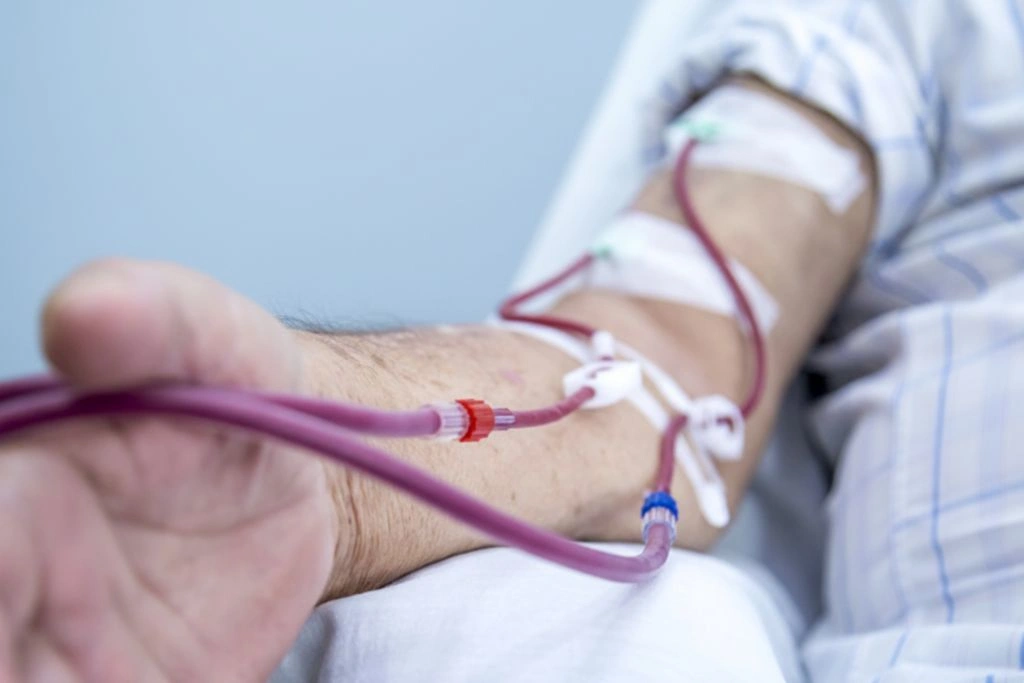
Haemodialysis requires reliable access to the bloodstream, commonly through an AV fistula, graft or central venous catheter. Redness, pain, discharge, fever, bleeding, poor flow or loss of the usual vibration in a fistula should be reported promptly. Access care and infection prevention are essential parts of treatment.
7. Anaemia associated with kidney disease
Anaemia in Kidney Disease
Reduced kidney function can contribute to anaemia, which may cause tiredness, weakness or breathlessness. Evaluation may include a blood count, iron studies and assessment for other causes. Treatment may involve iron or prescribed medicines, depending on the findings. Patients should not self-start iron or injections.
8. Bone and mineral disorders
Mineral and Bone Disorder
Kidney disease can affect calcium, phosphate, vitamin D and parathyroid hormone balance. Long-term abnormalities may affect bones and blood vessels. Blood tests and individual dietary and medicine plans help manage these complications. The correct plan depends on kidney function, dialysis status and laboratory results.
9. Blood pressure changes during treatment
Blood Pressure Changes During Dialysis
Blood pressure may rise or fall around a dialysis session. Factors include fluid status, medicines, heart health and the speed of fluid removal. Report dizziness, fainting, cramps, headache or chest discomfort to staff. Do not independently skip or change prescribed blood-pressure medicines on dialysis days.
10. Infection risk
Dialysis Access-Related Infection Risk
People receiving dialysis may have increased infection risk, especially when a catheter is used. Hand hygiene, clean access care, prompt reporting of fever and adherence to unit protocols are important. The dialysis team can explain access-specific precautions and when urgent review is needed.
Symptoms: when to arrange a medical consultation
Arrange a medical review when a symptom is persistent, recurrent, unexplained or progressively affecting work, sleep, mobility, eating, hydration or other daily activities. Keep a short record of when it started, how often it occurs, what makes it better or worse and whether it is associated with fever, pain, swelling, weight change, reduced activity or changes in normal bodily function.
The importance of a symptom depends on its onset and context. A mild symptom over several weeks may need a planned consultation, while a sudden severe symptom may need emergency care. People with diabetes, high blood pressure, heart or kidney disease, pregnancy, older age or a weakened immune system may need earlier assessment. Do not delay care because an online article describes a symptom as common.
Bring a list of current medicines, allergies, previous diagnoses and relevant family history. Include over-the-counter pain relievers, herbal products and supplements, because these can affect medical decisions. If symptoms began after a new medicine or procedure, mention the timing. Accurate information helps the clinician decide whether observation, tests, treatment or referral is appropriate.
Diagnosis and investigations
Before and during dialysis care, clinicians commonly review kidney function, electrolytes (especially potassium), blood count, calcium and phosphate, fluid status, blood pressure, weight trends and symptoms. Additional tests may be needed to assess infection, anaemia, nutrition, heart health or dialysis access. The dialysis prescription is individualised, and the team monitors response and treatment tolerance.
For people comparing dialysis treatment options in Varanasi, it is important to understand that laboratory results must be interpreted alongside symptoms, fluid status, medical history and previous trends. A normal result may not exclude every condition, and an abnormal result does not always establish a diagnosis by itself. Ask what a test is intended to detect, whether fasting or preparation is required, when the result will be available and who will explain it. Keep copies of reports for future visits.
Treatment planning and follow-up
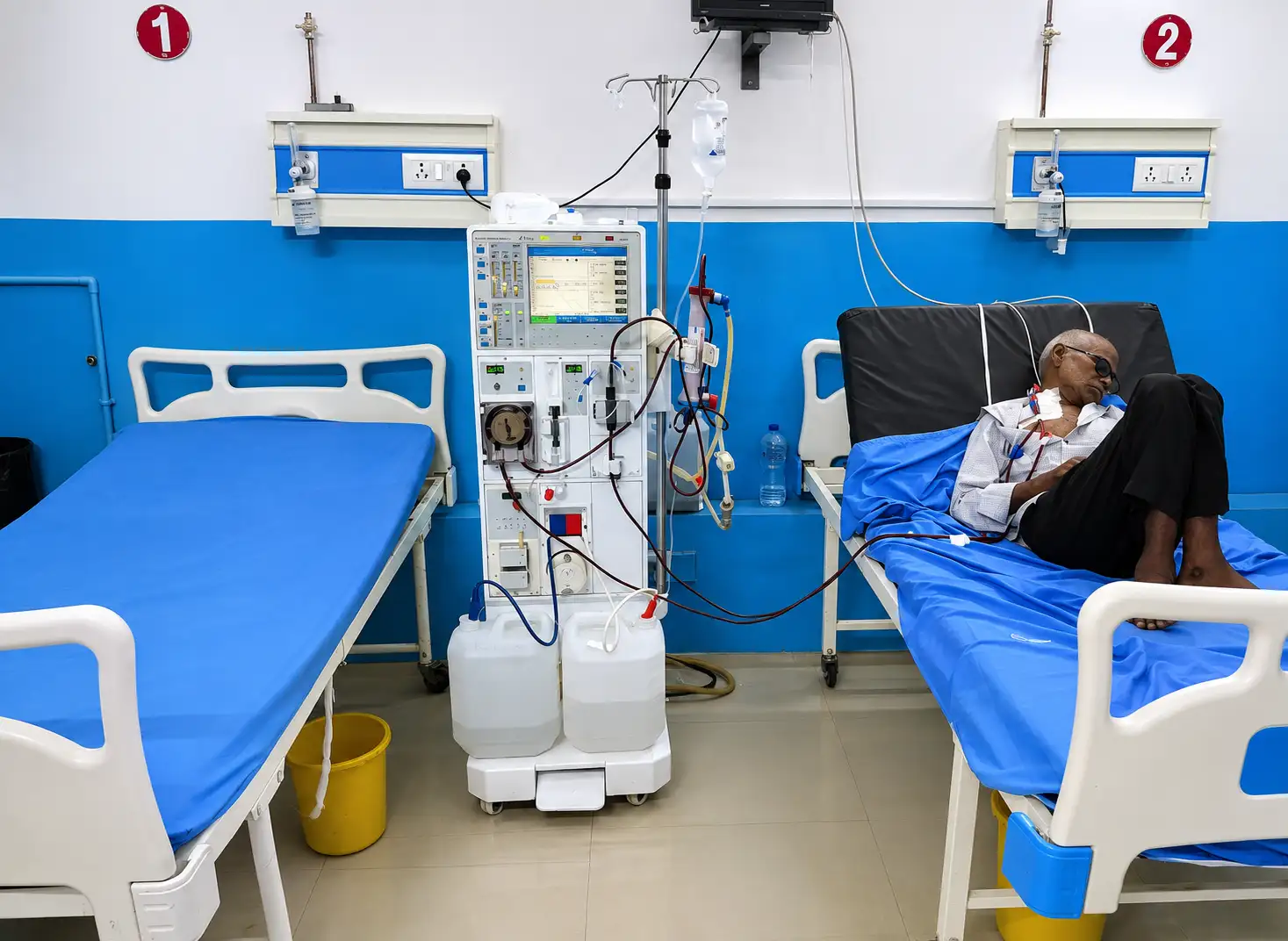
Haemodialysis usually circulates blood through a dialyser (filter) and returns it to the body. The prescribed duration, frequency, blood-flow settings, dialyser and fluid removal target are set by the treating team. A vascular access is needed. Patients should attend scheduled sessions, follow access-care instructions, bring an updated medicine list and discuss travel or missed-session concerns early. Never shorten or skip dialysis without speaking to the treating team.
Good follow-up is part of treatment, not an optional extra. Ask which symptoms should improve, how soon improvement is expected, what side effects need attention and when to return. If the plan includes a medicine, clarify the dose, timing, duration and what to do if a dose is missed. If a procedure or hospital admission is being considered, ask about preparation, recovery, costs, alternatives and warning signs after discharge.
When to seek urgent medical attention
During or between sessions, seek urgent assessment for chest pain, severe breathlessness, fainting, confusion, seizure, persistent severe weakness, uncontrolled bleeding from access, fever or chills, or sudden loss of fistula thrill. If a dialysis session is missed and the patient develops breathlessness, swelling, weakness or palpitations, do not wait for the next routine appointment.
Preparing for your hospital visit
Before travelling to New H.T. Hospital, call the contact number to confirm the current outpatient schedule for dialysis & hemodialysis, whether an appointment is required and whether the relevant clinician will be available. Ask whether you should bring any referral letter, previous imaging, laboratory results or insurance and scheme documents. This simple check can reduce avoidable waiting and repeat visits.
At the consultation, describe the main concern first and mention the symptom that affects you most. Share the timeline, any earlier treatment and whether it helped. Tell the clinician about allergies, pregnancy possibility where relevant, chronic conditions and medicines. Ask questions if any instruction is unclear. A shared understanding of the plan supports safer and more consistent care.
After the visit, follow the written plan and keep follow-up appointments. If the condition changes, new symptoms appear or treatment causes a concerning reaction, contact the treating team for advice. Do not reuse an old prescription for a new episode without review, particularly for antibiotics, steroids, pain medicines or medicines that can affect kidney, liver or heart function.
Dialysis & Hemodialysis care in Lanka, BHU and Varanasi
New H.T. Hospital’s website describes 24x7 haemodialysis in Varanasi at its Bogabir, Lanka location, opposite BHU Hospital. Patients from Lanka, BHU, Assi, Durgakund, Sunderpur, Bhelupur, Ramnagar and nearby areas can contact the hospital to confirm current dialysis availability, session timing, emergency arrangements, charges and Ayushman Bharat/PM-JAY eligibility. Scheme benefits and authorisation depend on applicable rules and verification.
People commonly search for “dialysis centre in Varanasi”, “24x7 dialysis in Varanasi”, “haemodialysis in Lanka”, “dialysis hospital near BHU” and “kidney dialysis treatment near me”. These searches indicate a need for accessible treatment information, but proximity alone should not determine where to seek care. Consider the clinician’s relevant qualifications, the service required, communication, follow-up arrangements and whether urgent care is needed. Contact the hospital directly for current, verifiable details rather than relying on assumptions from a search result.
New H.T. Hospital’s address is B31/62-A Bogabir, Lanka, Ahilyabai Colony, Opposite BHU Hospital, Varanasi, Uttar Pradesh 221005. For directions, use the hospital location map at the end of this page or search for New H.T. Hospital, Bogabir, Lanka, Varanasi. If you are coming from outside Lanka, confirm travel time and appointment timing before departure.

New H.T. Hospital, Lanka, Varanasi
How haemodialysis works
During haemodialysis, blood is carried from the body through a vascular access to a dialyser, which acts as an artificial filter. Waste products and excess fluid move out of the blood across a specialised membrane, and the treated blood returns to the body. The dialysis machine controls and monitors the treatment according to the prescription prepared by the clinical team. Haemodialysis supports some kidney functions, but it does not cure chronic kidney disease or replace every function of healthy kidneys.
The number and length of sessions are individualised. Many people receiving maintenance haemodialysis attend several sessions each week, but the schedule must be prescribed according to clinical need. Do not copy another patient’s dialysis schedule or change session duration yourself. If you cannot attend a planned session, contact the dialysis team promptly for instructions.
Types of dialysis access
AV fistula
An arteriovenous fistula connects an artery to a vein, usually in the arm. It is often preferred for long-term haemodialysis when suitable because it can provide durable access with a lower infection risk than a central venous catheter. It generally needs time to mature before it can be used. Protect the access arm from avoidable pressure, and follow the team’s instructions for checking the vibration (thrill) and caring for the site.
AV graft
An AV graft uses a synthetic tube to connect an artery and a vein when a fistula is not suitable. It can sometimes be used sooner than a fistula, but it has its own risks, including clotting and infection. The treating vascular access team decides whether it is appropriate.
Central venous dialysis catheter
A dialysis catheter is placed into a large vein and may be used when dialysis is urgently needed or while a fistula or graft is developing. Catheters require careful dressing and handling because infection and blockage can occur. Do not remove, open or adjust catheter dressings yourself unless the clinical team has specifically trained you to do so.
Diet and fluid guidance during dialysis
Dietary advice for a person receiving haemodialysis is not the same for everyone. Recommendations may cover salt, fluid, potassium, phosphate, protein and overall calorie intake. The right approach depends on urine output, laboratory results, body weight, other illnesses and the dialysis prescription. Ask the treating team whether a renal dietitian is available and request written guidance that matches the patient’s reports.
Fluid restriction, when prescribed, may include water and other liquids as well as foods that become liquid at room temperature. Excess fluid between sessions can contribute to swelling, high blood pressure and breathlessness. Do not follow a fixed daily fluid target from an online article; confirm the amount with the treating clinician.
Dialysis safety and monitoring
Before a session, the team may check weight, blood pressure, temperature, access condition and relevant symptoms. During treatment, staff monitor the patient and the machine, including blood pressure, fluid removal and access function. Report chest discomfort, severe cramps, dizziness, nausea, breathlessness, headache or any unusual feeling immediately. After treatment, follow instructions about medicines, meals, activity and access care.
Good infection prevention includes hand hygiene, keeping access sites clean and dry as instructed, and reporting fever, chills, redness, warmth, pain or discharge. Bleeding that does not stop with the instructed pressure, sudden access swelling or loss of the normal fistula thrill needs prompt assessment. Ask the unit to demonstrate access care rather than relying on guesswork.
Dialysis costs, documents and scheme enquiries
Dialysis costs can vary according to the treatment plan, medicines, laboratory tests, consumables, access requirements and whether admission or emergency care is needed. Contact New H.T. Hospital directly for current charges and a written explanation of what is included. Do not rely on an old online price or assume that every patient has the same treatment cost.
Patients enquiring about Ayushman Bharat or PM-JAY should confirm whether the relevant service is currently covered for their eligibility category, whether the hospital is authorised for the required package, and which identity, referral and authorisation documents are needed. Coverage is subject to scheme rules and approval; this page does not guarantee eligibility or cashless treatment.
Choosing a dialysis centre in Varanasi
When comparing a dialysis centre in Varanasi, ask about the clinical supervision available, emergency escalation arrangements, infection-control practices, water-treatment and machine maintenance protocols, vascular access support, monitoring during sessions and communication with the patient’s nephrologist. Also clarify session scheduling, waiting arrangements, follow-up tests, billing and how missed or delayed sessions are handled.
For patients living near Lanka or BHU, New H.T. Hospital’s location at Bogabir may be convenient. However, patients should make decisions based on their medical needs and verified service details, not location or promotional wording alone. Call the hospital to confirm current service availability and ask whether the unit can safely meet the patient’s prescribed dialysis requirements.
Questions to ask the dialysis team
- What is the reason dialysis is recommended, and is it expected to be temporary or long term?
- What is the prescribed session frequency and duration?
- Which type of vascular access is planned, and how should it be cared for?
- What fluid, salt, potassium and phosphate guidance applies to this patient?
- Which symptoms during or between sessions require urgent medical attention?
- Whom should the family contact if a session is missed or the patient becomes unwell?
- What are the current charges, documents and scheme authorisation requirements?
Frequently asked questions about dialysis & hemodialysis
Is haemodialysis available 24x7 in Varanasi?
The New H.T. Hospital homepage describes a 24x7 hemodialysis service. Please call 7499854899 to confirm current availability, emergency arrangements and the appropriate time to visit.
How long does a haemodialysis session take?
Many conventional in-centre sessions take several hours, but duration and frequency depend on the prescription, body size, residual kidney function, fluid gain, laboratory results and clinical condition. Follow the schedule prescribed by the nephrologist.
Is dialysis painful?
The dialysis process itself is not usually described as painful, although needle insertion, cramps, low blood pressure or access-related discomfort can occur. Tell the dialysis staff about pain or symptoms during a session.
What should I bring for dialysis?
Bring previous reports, prescriptions, an updated medicine list, relevant scheme documents if applicable, and any access-care instructions. Confirm the unit’s specific requirements before the first session.
Can dialysis patients drink water freely?
Fluid allowance is individualised. It depends on urine output, heart condition, blood pressure, weight gain and the dialysis prescription. Follow the treating team’s fluid guidance rather than a generic online amount.
What is an AV fistula?
An arteriovenous fistula is a surgically created connection between an artery and a vein, usually in the arm, that can provide vascular access for haemodialysis. It needs time to mature and requires regular care and monitoring.
Can Ayushman Bharat cover dialysis?
Eligible beneficiaries may receive covered dialysis services under applicable PM-JAY provisions and hospital empanelment rules. Coverage, authorisation and documents must be checked with the hospital and scheme desk before treatment.
How can I contact the dialysis unit?
Call 7499854899 or 7985597252. New H.T. Hospital is at B31/62-A Bogabir, Lanka, opposite BHU Hospital, Varanasi.
Contact New H.T. Hospital, Varanasi
For dialysis & hemodialysis appointment enquiries, current clinic timings and service confirmation, contact the hospital directly.
Address: B31/62-A Bogabir, Lanka, Ahilyabai Colony, Opposite BHU Hospital, Varanasi, Uttar Pradesh 221005
Phone: 7499854899 · 7985597252
Email: lifecare2020july@gmail.com