Understanding orthopaedics care
Orthopaedics focuses on bones, joints, muscles, ligaments, tendons and the spine. Pain may follow an injury or develop gradually through wear, inflammation, posture, repetitive loading or age-related change. Assessment aims to identify the cause, protect function and choose suitable conservative or surgical options.
People searching for an orthopaedic doctor in Varanasi, a bone and joint specialist in Lanka or orthopaedic consultation near BHU often want to understand the likely cause of pain, which investigations may help and when an injury needs urgent attention. Reliable care starts with a clinical assessment rather than a search-term match. Similar symptoms can arise from different diseases, and the right treatment depends on the person’s age, medical history, examination and investigation results.
At New H.T. Hospital, Bogabir, Lanka, opposite BHU Hospital in Varanasi, patients can contact the hospital to ask about the current orthopaedics consultation pathway. The hospital website lists multiple medical departments and facilities. Please verify the availability of a particular consultant, test or procedure before travelling, because schedules and service scope can change.
Common bone, joint and musculoskeletal conditions
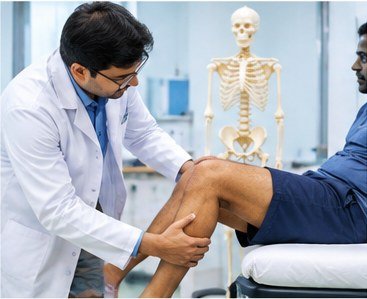
Orthopaedic assessment covers injuries and disorders affecting bones, joints, muscles, tendons, ligaments and the spine. The conditions below are common reasons for consultation. Similar symptoms can have different causes, so this information is not a substitute for examination or a personalised diagnosis.
1. Knee osteoarthritis
Knee osteoarthritis is a joint condition in which the cartilage and other structures gradually change over time. It may cause pain during walking, climbing stairs or standing up after sitting, along with stiffness after rest, reduced movement or swelling. Symptoms and X-ray findings do not always match exactly, so treatment should be based on the person's pain, mobility, examination and goals rather than an image alone. Management may include appropriate exercise, physiotherapy, weight management when relevant, activity adjustments and pain-relief options selected by a clinician. In advanced cases, a specialist may discuss injections or joint replacement after reviewing benefits, risks and alternatives.
2. Back and neck pain
Back and neck pain may arise from muscles, joints, discs, nerves, posture, repetitive loading or an injury. Many episodes improve with time and suitable activity, but persistent or recurring pain deserves assessment. Pain travelling into an arm or leg, tingling, numbness or weakness may indicate nerve involvement. A clinician will review the onset, pattern, physical demands, previous episodes and neurological symptoms. Imaging is not required for every episode; it is selected when the history and examination suggest that it may change management. New bladder or bowel control problems, numbness around the groin or rapidly progressing limb weakness require emergency assessment.
3. Fractures and broken bones
A fracture is a break in a bone caused by trauma or, in some cases, weakened bone. Common signs include pain, swelling, bruising, deformity and difficulty using or bearing weight on the affected area. A suspected fracture should be assessed promptly. Avoid trying to straighten a deformed limb or push a bone back into place. Keep the injured area as still as possible while arranging medical care. X-rays are commonly used, although some fractures may need additional imaging or repeat assessment. Treatment depends on the bone, fracture pattern, alignment, soft-tissue injury and the patient's overall health; options can include immobilisation, reduction or surgery.
4. Sports and activity-related injuries
Sports injuries may involve muscle strains, tendon problems, ligament sprains, cartilage injury or fractures. They can occur after a sudden twist, fall, collision or repetitive training load. Early assessment is useful when pain is severe, swelling develops quickly, a joint feels unstable, movement is markedly limited or weight cannot be borne. The clinician may examine joint stability, range of movement and function, and request imaging if indicated. Rehabilitation commonly focuses on restoring movement, strength, balance and sport-specific function. Returning to activity too soon can increase the risk of reinjury, so progression should be guided by recovery and clinical advice.
5. Shoulder pain and rotator cuff problems
Shoulder pain may be related to the rotator cuff tendons, bursa, joint, neck or an injury. Pain when lifting the arm, reaching overhead or lying on the affected side can occur with several shoulder conditions and does not identify one diagnosis by itself. Assessment may include checking shoulder movement, strength and the neck. Ultrasound, X-ray or MRI may be considered depending on the suspected cause and whether imaging will affect treatment. Care can include activity modification, physiotherapy and clinician-directed pain management. Sudden inability to lift the arm after an injury, visible deformity or severe pain needs prompt evaluation.
6. Ligament and meniscus injuries
Ligaments connect bones and help stabilise joints. A sprain may range from stretching to a partial or complete tear. Meniscus injuries affect the cushioning cartilage in the knee and may cause pain, swelling, catching or difficulty fully bending or straightening the joint. A twisting injury, a popping sensation or a feeling that the knee gives way may be relevant history, but examination is needed to determine the likely injury. Treatment depends on stability, age, activity needs and associated damage. Some injuries respond to rehabilitation and activity changes; selected cases may need further imaging or surgery.
7. Osteoporosis and fragility fractures
Osteoporosis reduces bone strength and increases the risk of fractures, sometimes after a minor fall or routine movement. It may not cause symptoms until a fracture occurs. Risk factors can include increasing age, previous fragility fracture, certain long-term medicines and some medical conditions. A clinician may assess fracture history and risk factors and consider bone-density testing or blood tests where appropriate. Prevention and treatment can include fall-risk reduction, suitable weight-bearing and strengthening activity, adequate nutrition and prescribed medicines for people who meet treatment criteria. Calcium or vitamin D supplements should not be started at high doses without considering individual needs and risks.
8. Joint stiffness and inflammatory joint symptoms
Joint stiffness can occur with osteoarthritis, inflammatory arthritis, injury and other conditions. Note whether stiffness is worse in the morning, how long it lasts, which joints are involved and whether there is warmth, swelling, redness, fever or fatigue. Several joints becoming swollen or stiff may need assessment for an inflammatory or systemic condition and may require coordination with a physician or rheumatology service. A hot, very painful joint with fever or feeling acutely unwell can indicate infection and needs urgent medical attention. Do not assume that all joint pain is due to age or routine wear.
9. Foot and ankle problems
Foot and ankle concerns include sprains, tendon disorders, heel pain, deformity, arthritis and fractures. Pain may be influenced by footwear, activity, standing duration, foot shape, diabetes or circulation problems. Examination may include walking pattern, joint movement, tenderness, skin condition and circulation. Imaging is considered when a fracture, structural problem or another specific diagnosis is suspected. People with diabetes should seek early advice for a foot wound, redness, swelling, colour change or a new area of warmth, even if pain is mild. Avoid continuing strenuous activity through significant pain.
10. Paediatric bone and joint concerns
Children's bones and growth plates differ from adult bones, and injuries should be assessed with age and development in mind. Limping, persistent joint pain, swelling, reduced use of a limb or pain that repeatedly wakes a child should not be dismissed as normal growing pains without assessment. After an injury, inability to bear weight, deformity or significant swelling needs prompt review. The clinician may consider growth-plate injury, infection, inflammation or developmental conditions depending on the history and examination. Do not give adult medicines or doses to a child unless specifically advised by a qualified clinician.
Symptoms: when to arrange a medical consultation
Arrange an orthopaedic review when bone, joint, muscle or back pain is persistent, recurrent, unexplained or limiting walking, lifting, sleep, work or daily activities. Also seek assessment for repeated joint swelling, reduced range of movement, instability, a new limp, unexplained weakness or pain that is not improving as expected. Record when the problem began, whether it followed an injury, what movements aggravate it and whether there is numbness, tingling, fever or swelling.
The importance of a symptom depends on its onset and context. A mild symptom over several weeks may need a planned consultation, while a sudden severe symptom may need emergency care. People with diabetes, high blood pressure, heart or kidney disease, pregnancy, older age or a weakened immune system may need earlier assessment. Do not delay care because an online article describes a symptom as common.
Bring a list of current medicines, allergies, previous diagnoses and relevant family history. Include over-the-counter pain relievers, herbal products and supplements, because these can affect medical decisions. If symptoms began after a new medicine or procedure, mention the timing. Accurate information helps the clinician decide whether observation, tests, treatment or referral is appropriate.
Diagnosis and investigations
Orthopaedic assessment begins with a history and physical examination. The clinician may assess posture, gait, swelling, tenderness, joint range of movement, muscle strength, stability, sensation and circulation. X-rays are often used to assess bones and joint alignment; ultrasound or MRI may be useful for selected tendon, ligament, cartilage or soft-tissue concerns. CT may be considered for complex fractures. Blood tests are not needed for every musculoskeletal complaint but may be advised when infection, inflammation or another systemic condition is suspected. The choice depends on the clinical question, and imaging findings must be interpreted alongside symptoms and examination.
For patients comparing options for orthopaedics in varanasi, it is important to understand that a test is useful only when interpreted in context. A normal result may not exclude every condition, and an abnormal result does not always establish a diagnosis by itself. Ask what a test is intended to detect, whether fasting or preparation is required, when the result will be available and who will explain it. Keep copies of reports for future visits.
Treatment planning and follow-up
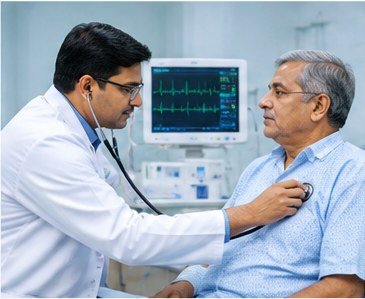
Orthopaedic treatment depends on the diagnosis, severity, functional impact, age, activity needs and other health conditions. Options may include temporary activity modification, a brace or splint, physiotherapy, clinician-directed medicines, injections in selected cases, fracture reduction, or surgery when indicated. Rehabilitation can be important both after injury and after an operation. A treatment discussion should cover expected benefits, limitations, risks, alternatives and the likely follow-up schedule. Do not self-prescribe pain medicines or continue a brace or immobilisation longer than advised without review.
Good follow-up is part of treatment, not an optional extra. Ask which symptoms should improve, how soon improvement is expected, what side effects need attention and when to return. If the plan includes a medicine, clarify the dose, timing, duration and what to do if a dose is missed. If a procedure or hospital admission is being considered, ask about preparation, recovery, costs, alternatives and warning signs after discharge.
When to seek urgent medical attention
Seek urgent medical attention if symptoms are sudden, severe or rapidly worsening, or if there is chest pain, severe breathing difficulty, fainting, new confusion, seizure, uncontrolled bleeding, severe dehydration, sudden weakness, inability to stay awake or any other life-threatening concern. For possible stroke, heart attack, severe allergic reaction or major injury, do not wait for a routine department appointment. Call emergency services or go to the nearest emergency department.
Preparing for your hospital visit
Before travelling to New H.T. Hospital, call the contact number to confirm the current outpatient schedule for orthopaedics, whether an appointment is required and whether the relevant clinician will be available. Ask whether you should bring any referral letter, previous imaging, laboratory results or insurance and scheme documents. This simple check can reduce avoidable waiting and repeat visits.
At the consultation, describe the main concern first and mention the symptom that affects you most. Share the timeline, any earlier treatment and whether it helped. Tell the clinician about allergies, pregnancy possibility where relevant, chronic conditions and medicines. Ask questions if any instruction is unclear. A shared understanding of the plan supports safer and more consistent care.
After the visit, follow the written plan and keep follow-up appointments. If the condition changes, new symptoms appear or treatment causes a concerning reaction, contact the treating team for advice. Do not reuse an old prescription for a new episode without review, particularly for antibiotics, steroids, pain medicines or medicines that can affect kidney, liver or heart function.
First aid after a suspected bone or joint injury
After a fall or sports injury, stop the activity and protect the injured area. Avoid putting weight on a limb if doing so causes significant pain. A wrapped cold pack may help reduce discomfort and swelling for short periods; do not place ice directly on the skin. Remove rings or tight items early if swelling is developing in a hand or finger. Do not massage a suspected fracture, force a joint into position or attempt to straighten a deformity. Support the area in the position found and arrange medical assessment. For an open wound with visible bone, heavy bleeding, severe deformity or a cold, pale or numb limb, seek emergency care immediately.
Physiotherapy and rehabilitation
Rehabilitation aims to restore safe movement, strength, balance and confidence after injury, surgery or a period of reduced activity. The programme should match the diagnosis and stage of healing. It may begin with gentle movement and progress to strengthening, flexibility, gait training and functional exercises. Pain that is sharp, rapidly worsening or associated with new swelling, numbness or weakness should be discussed with the treating clinician or physiotherapist. Avoid copying an exercise routine from the internet when the injury or diagnosis has not been established.
Living with arthritis and recurring joint pain
For long-term joint symptoms, a sustainable plan often combines appropriate movement, muscle strengthening, pacing of demanding activities and management of contributing health factors. Complete rest can lead to stiffness and loss of strength, while excessive loading may aggravate symptoms. A clinician or physiotherapist can help identify a safe activity level. Keep track of function as well as pain: walking distance, stair use, sleep and ability to perform daily tasks can help assess whether a treatment plan is working. Review persistent swelling, sudden deterioration or new symptoms rather than assuming they are part of the usual condition.
Questions to ask an orthopaedic specialist
- What is the most likely explanation for my pain or injury, and what else needs to be ruled out?
- Do I need an X-ray or another investigation, and how will the result affect treatment?
- Can the condition be managed without surgery? What are the benefits and limitations of each option?
- What activities should I avoid, and which movements or exercises are safe?
- What warning signs mean I should seek urgent care or return earlier?
- What is the expected recovery timeline, and when should progress be reviewed?
Preparing for an orthopaedic appointment or procedure
Bring previous X-rays, scans, reports, prescriptions and details of earlier injuries or operations. Wear clothing that allows the affected area to be examined, and bring any brace, support or walking aid you currently use. Tell the clinician about allergies, diabetes, kidney or heart disease, blood-thinning medicines and other regular treatments. If surgery is discussed, ask about the reason for the procedure, alternatives, anaesthesia, expected admission, rehabilitation, possible complications and costs. Follow the treating team's specific instructions about fasting and medicines; do not stop prescribed medication independently.
When orthopaedic symptoms need urgent attention
Seek urgent assessment after a major injury, suspected fracture with deformity, open wound, uncontrolled bleeding, sudden inability to bear weight, or a limb that becomes cold, pale, blue or numb. A hot, swollen joint with fever can indicate infection and should be assessed urgently. New bladder or bowel control problems, numbness around the groin or rapidly worsening leg weakness with back pain are emergency warning signs. Severe symptoms should not wait for a routine orthopaedic appointment.
Orthopaedics care in Lanka, BHU and Varanasi
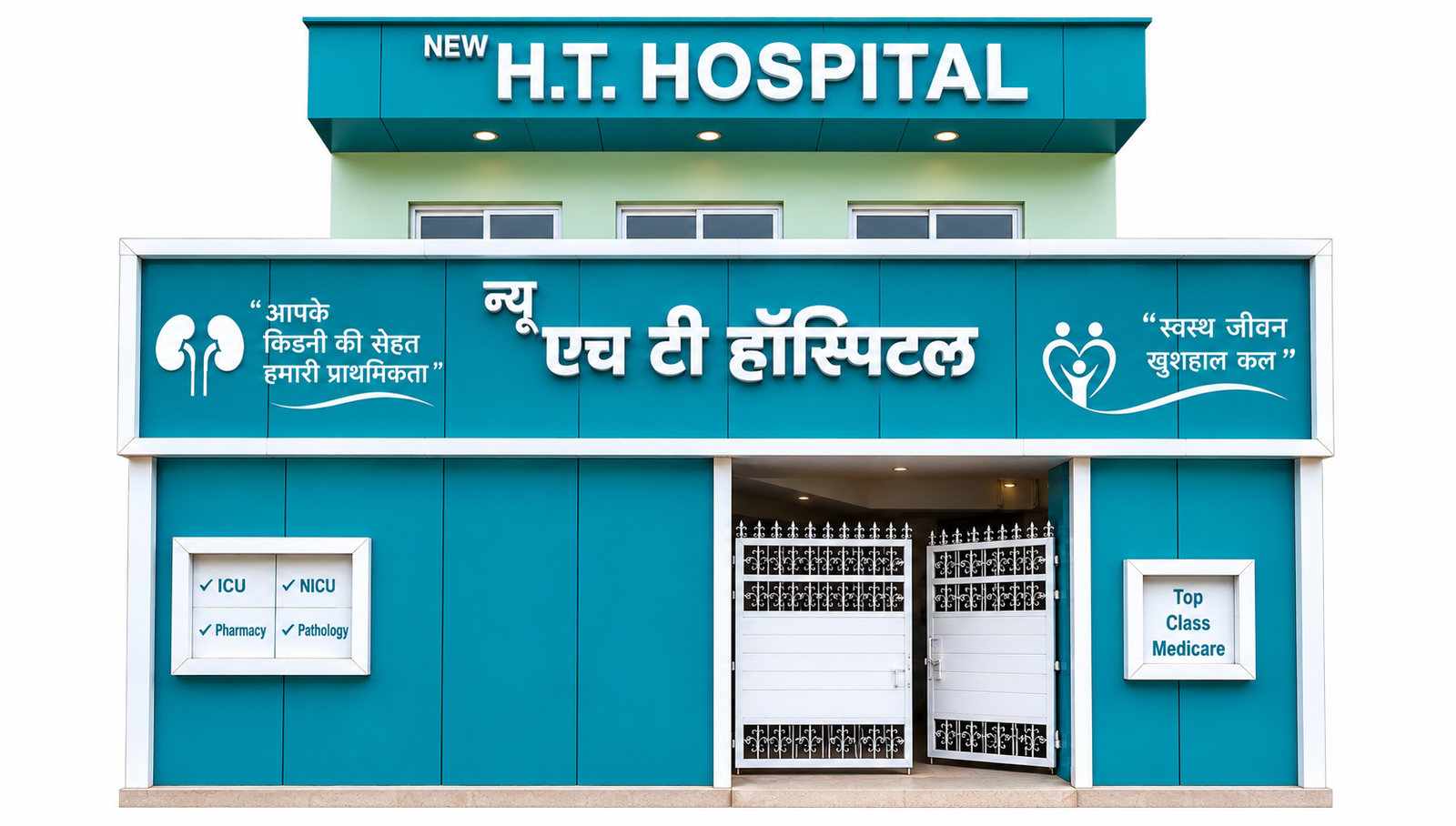
New H.T. Hospital is situated at Bogabir, Lanka, opposite BHU Hospital, Varanasi. The location may be accessible for patients travelling from Lanka, BHU, Assi, Durgakund, Sunderpur, Bhelupur, Manduadih, DLW, Ramnagar and surrounding localities. If you are searching for orthopaedic doctor for bone joint and injury care near you, call ahead to confirm whether the relevant specialist is available, the current consultation schedule, investigations offered and appointment requirements. Do not assume that every test or procedure described in general medical information is available at this location.
Patients may search using phrases such as “orthopaedics in varanasi near me”, “orthopaedics doctor in Lanka”, “orthopaedics hospital near BHU” or “orthopaedics consultation in Varanasi”. These phrases describe a local search intent, but proximity alone should not determine where to seek care. Consider the clinician’s relevant qualifications, the service required, communication, follow-up arrangements and whether urgent care is needed. Contact the hospital directly for current, verifiable details rather than relying on assumptions from a search result.
New H.T. Hospital’s address is B31/62-A Bogabir, Lanka, Ahilyabai Colony, Opposite BHU Hospital, Varanasi, Uttar Pradesh 221005. For directions, use the map below or search for New H.T. Hospital, Bogabir, Lanka, Varanasi. If you are coming from outside Lanka, confirm travel time and appointment timing before departure.
New H.T. Hospital, Lanka, Varanasi
Frequently asked questions about orthopaedics
What conditions are assessed by an orthopaedic specialist?
Orthopaedic specialists assess problems involving bones, joints, muscles, ligaments, tendons and the spine. Examples include fractures, arthritis, back pain, sports injuries and shoulder, knee, foot or ankle problems. The exact assessment and treatment depend on the clinical findings.
When should I consult an orthopaedic doctor in Varanasi?
Arrange a consultation for persistent or recurring bone and joint pain, swelling, stiffness, instability, reduced movement or an injury that is not improving. A suspected fracture, severe injury, hot swollen joint with fever or new limb weakness may need urgent assessment.
Will I need an X-ray or MRI?
Not everyone needs imaging. X-rays are commonly used for bone and joint concerns; ultrasound, MRI or CT may be advised for selected soft-tissue, ligament, spinal or complex fracture questions. The clinician selects tests based on the history and examination.
Can orthopaedic problems be treated without surgery?
Many musculoskeletal conditions can be managed without an operation, using measures such as activity modification, physiotherapy, supports or clinician-directed medicines. Some fractures, severe injuries or advanced joint conditions may need a procedure or surgery. The options depend on the diagnosis.
What should I bring to an orthopaedic appointment?
Bring previous scans and X-rays, investigation reports, prescriptions, details of earlier injuries or operations, a list of medicines and information about allergies. Bring any brace or walking aid you use.
How can I book an orthopaedic consultation at New H.T. Hospital?
Call 7499854899 or 7985597252 to confirm current department availability, consultation timings and booking arrangements before travelling.
Where is New H.T. Hospital located?
New H.T. Hospital is at B31/62-A Bogabir, Lanka, Ahilyabai Colony, opposite BHU Hospital, Varanasi, Uttar Pradesh 221005.
Contact New H.T. Hospital, Varanasi
For orthopaedics appointment enquiries, current clinic timings and service confirmation, contact the hospital directly.
Address: B31/62-A Bogabir, Lanka, Ahilyabai Colony, Opposite BHU Hospital, Varanasi, Uttar Pradesh 221005
Phone: 7499854899 · 7985597252
Email: lifecare2020july@gmail.com