
Understanding nephrology care
Kidneys help maintain the body’s fluid balance, remove waste products, regulate important minerals and support blood pressure and red blood cell production. When kidney function changes, the effects can involve the whole body. This guide explains common kidney conditions, warning signs, investigations and the role of nephrology care for people in Varanasi and nearby areas.
People searching online for nephrology in varanasi, a specialist near Lanka or a hospital near BHU often want to know three things: what may be causing the symptom, which tests are useful and how quickly medical attention is needed. Reliable care starts with a clinical assessment rather than a search-term match. Similar symptoms can arise from different diseases, and the right treatment depends on the person’s age, medical history, examination and investigation results.
At New H.T. Hospital, Bogabir, Lanka, opposite BHU Hospital in Varanasi, patients can contact the hospital to ask about the current nephrology consultation pathway. The hospital website lists multiple medical departments and facilities. Please verify the availability of a particular consultant, test or procedure before travelling, because schedules and service scope can change.
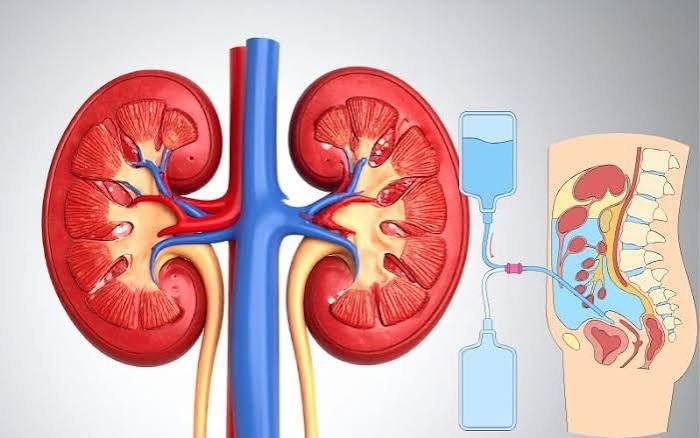
Conditions commonly assessed
The following topics are common reasons people seek information about nephrology care. They are not a self-diagnosis checklist. A doctor considers the complete clinical picture, and more than one condition may be present at the same time.
Chronic Kidney Disease (CKD)
CKD means that kidney structure or function has remained abnormal for at least three months. It may progress gradually and can be associated with diabetes, high blood pressure, inherited conditions, recurrent urinary obstruction or previous kidney injury. Early CKD may cause no obvious symptoms, which is why people with risk factors should discuss appropriate screening with a clinician. Assessment commonly includes blood pressure, serum creatinine with estimated GFR, urine albumin or protein testing and review of previous results.
Acute Kidney Injury (AKI)
AKI is a rapid decline in kidney function over hours or days. It can occur with dehydration, severe infection, blood loss, obstruction, certain medicines or complications of major illness. Reduced urine output, swelling, nausea, breathlessness or confusion may occur, although symptoms vary. AKI needs prompt medical assessment because some causes are reversible when identified early. Treatment is directed at the cause, fluid and electrolyte status, medication review and monitoring; dialysis is considered only in selected clinical situations.
Diabetic Kidney Disease
Long-standing or poorly controlled diabetes can damage the small blood vessels and filtering units in the kidneys. The earliest sign may be albumin in urine rather than pain or a change in urine volume. Regular testing, blood glucose and blood pressure management, and clinician-guided kidney-protective treatment can reduce the risk of progression. Patients should not start, stop or change diabetes or blood-pressure medicines without medical advice.
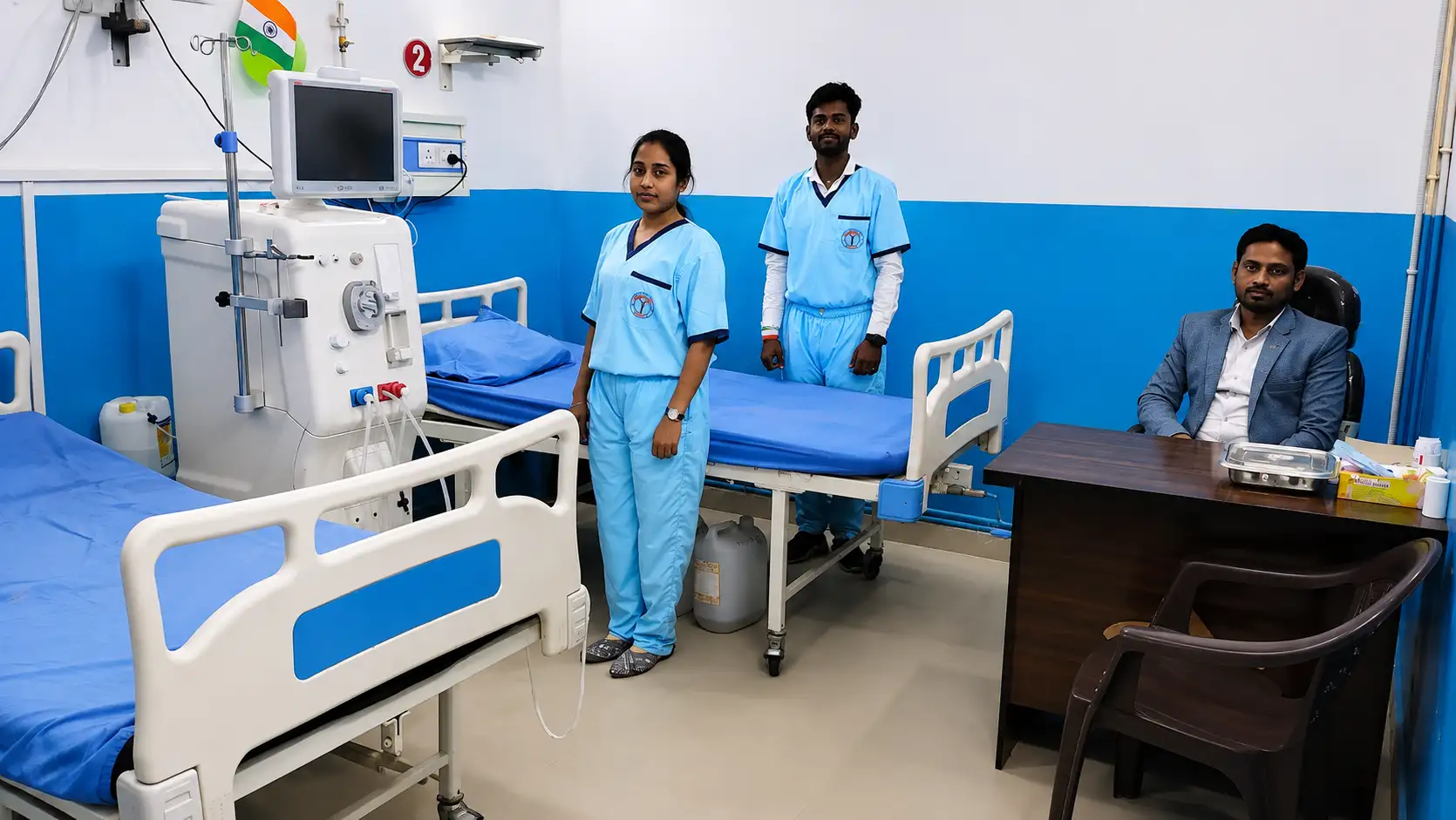
Hypertensive Kidney Damage
Persistently high blood pressure can injure kidney blood vessels, while kidney disease can itself make blood pressure harder to control. This two-way relationship makes accurate blood pressure measurement and follow-up important. A clinician may review home readings, kidney function, urine protein, diet, medicines and other cardiovascular risk factors. Sudden severe headache, chest pain, breathlessness, weakness or visual disturbance with very high blood pressure requires urgent assessment.
Glomerular Diseases
The glomeruli are microscopic filters inside the kidneys. Inflammation or other injury can lead to blood or protein in urine, swelling, high blood pressure or declining kidney function. Causes differ and may require urine microscopy, blood tests, imaging or, in selected cases, a kidney biopsy. Protein in urine should not be dismissed simply because there is no pain. The significance depends on the amount, persistence and overall clinical picture.
Kidney and Urinary Tract Stones
Stones can form in the urinary tract and may cause severe side or back pain, blood in urine, nausea or urinary symptoms. A stone that blocks urine flow, especially with fever or infection, can become an emergency. Nephrology and urology may work together depending on kidney function, stone location and the need for a procedure. Recurrent stones may warrant evaluation of hydration, diet, urine chemistry and metabolic risk factors.
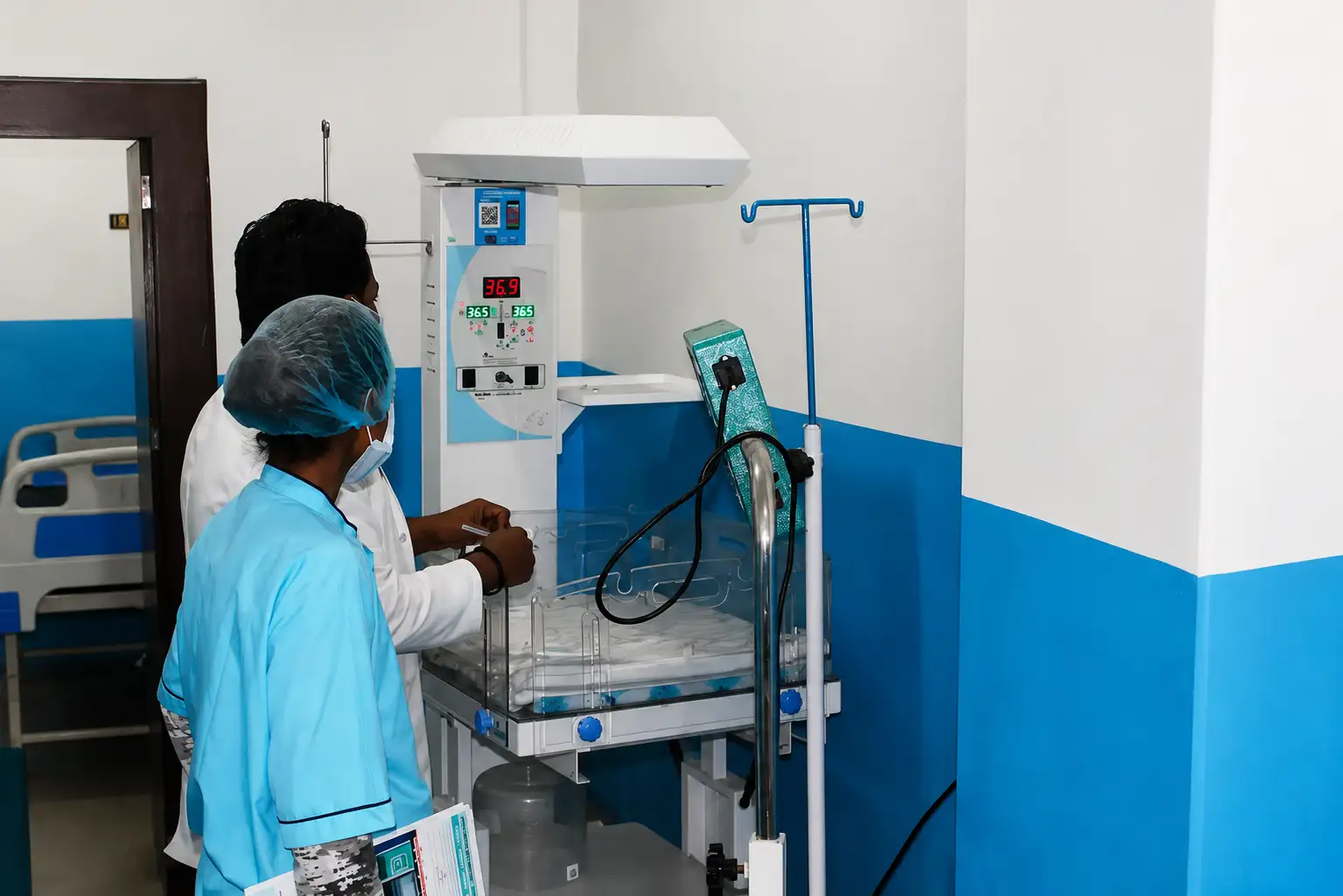
Electrolyte and Acid–Base Disorders
The kidneys help regulate sodium, potassium, bicarbonate, calcium and other substances. Abnormal levels can occur with kidney disease, dehydration, endocrine conditions or medicines. Symptoms may be subtle or may include weakness, cramps, palpitations, vomiting, confusion or seizures, depending on the abnormality and how quickly it develops. Blood tests and clinical assessment guide correction; rapid self-treatment with salt, potassium or supplements can be dangerous.
Age-Related Kidney Function Changes
Kidney function can change with age, but reduced kidney function should not automatically be labelled normal ageing. Older adults may have several contributing factors, including diabetes, hypertension, vascular disease, dehydration and multiple medicines. Assessment should consider mobility, nutrition, cognition, other illnesses and personal treatment goals. Medication doses may need review when kidney function is reduced.
Inherited and Cystic Kidney Conditions
Some kidney disorders run in families or are related to the structure of the urinary system. A family history of kidney failure, cystic kidney disease, recurrent stones or early-onset hypertension may be relevant. Ultrasound, blood and urine tests, and sometimes genetic assessment help clarify the cause. Family members should seek individual advice rather than assuming they have the same condition.
Kidney Injury During Severe Illness
Severe infection, surgery, trauma, heart problems and critical illness can affect kidney perfusion and function. Monitoring urine output, fluid balance, blood pressure, creatinine and electrolytes can help detect deterioration. Care may involve coordination between nephrology, critical care, surgery and other treating teams. The correct plan depends on the patient’s overall condition and response to treatment.
Symptoms: when to arrange a medical consultation
Arrange a medical review when a symptom is persistent, recurrent, unexplained or progressively affecting work, sleep, mobility, eating, hydration or other daily activities. Keep a short record of when it started, how often it occurs, what makes it better or worse and whether it is associated with fever, pain, swelling, weight change, reduced activity or changes in normal bodily function.
The importance of a symptom depends on its onset and context. A mild symptom over several weeks may need a planned consultation, while a sudden severe symptom may need emergency care. People with diabetes, high blood pressure, heart or kidney disease, pregnancy, older age or a weakened immune system may need earlier assessment. Do not delay care because an online article describes a symptom as common.
Bring a list of current medicines, allergies, previous diagnoses and relevant family history. Include over-the-counter pain relievers, herbal products and supplements, because these can affect medical decisions. If symptoms began after a new medicine or procedure, mention the timing. Accurate information helps the clinician decide whether observation, tests, treatment or referral is appropriate.
Diagnosis and investigations
Kidney assessment may include serum creatinine and estimated glomerular filtration rate (eGFR), blood urea, electrolytes, urine routine and microscopy, urine albumin-to-creatinine ratio or protein measurement, blood pressure review and kidney or urinary tract ultrasound. Not every patient needs every test. The clinician selects investigations according to symptoms, risk factors, examination and earlier reports. Bring previous laboratory results, prescriptions and imaging so trends can be compared rather than interpreting one result in isolation.
For patients comparing options for nephrology in varanasi, it is important to understand that a test is useful only when interpreted in context. A normal result may not exclude every condition, and an abnormal result does not always establish a diagnosis by itself. Ask what a test is intended to detect, whether fasting or preparation is required, when the result will be available and who will explain it. Keep copies of reports for future visits.
Treatment planning and follow-up
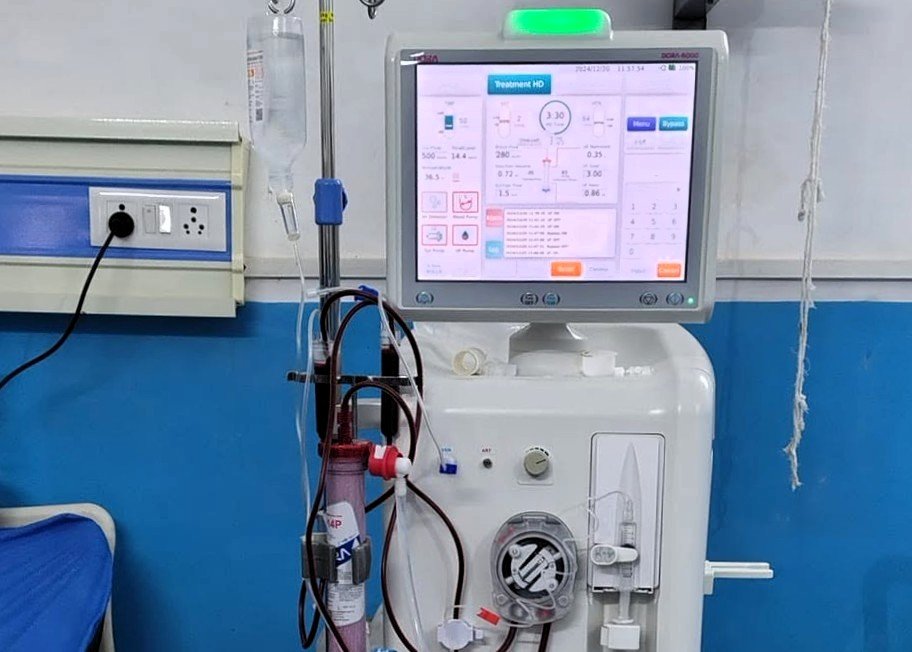
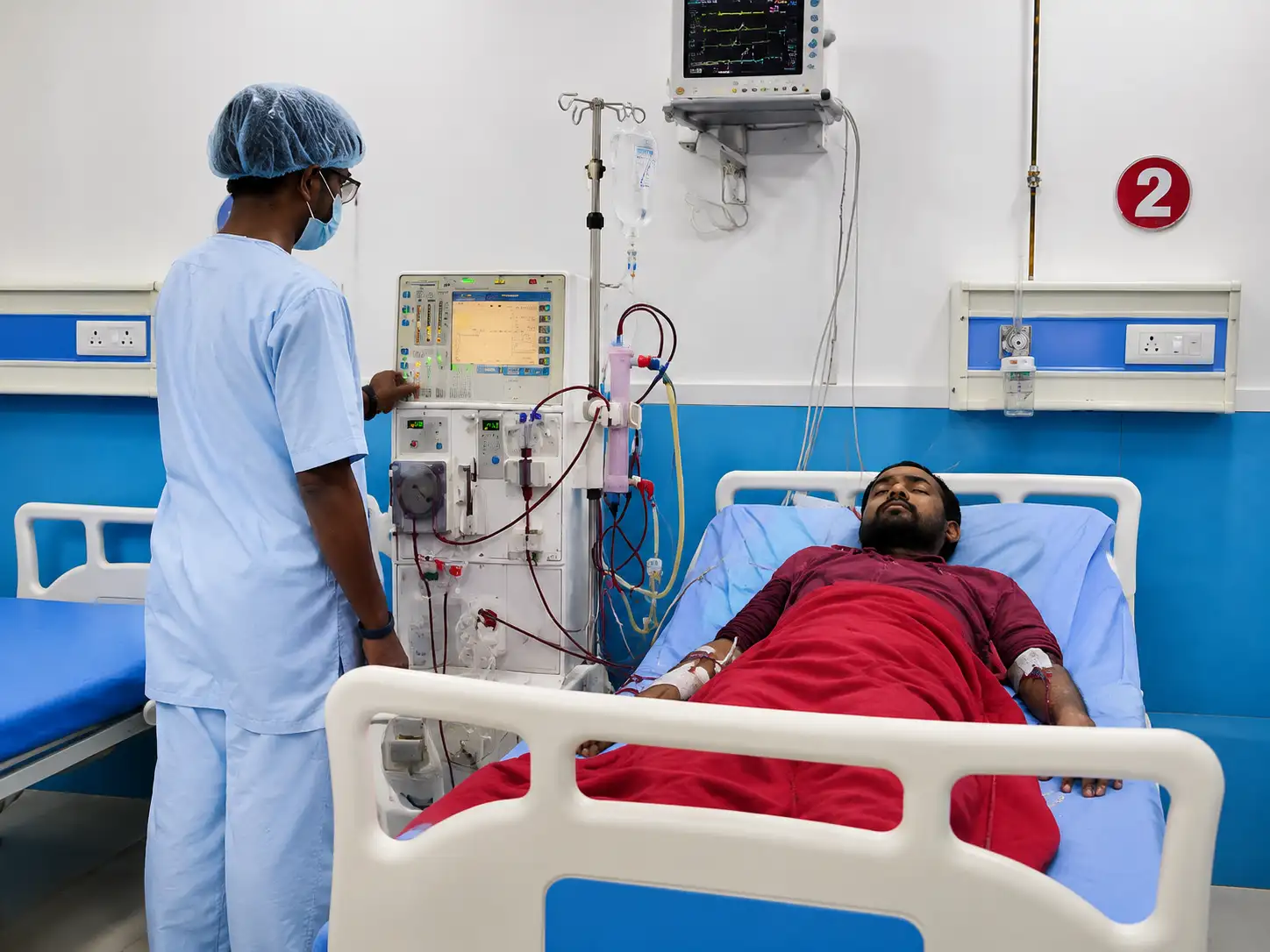
A kidney-care plan is individualised. It may include treating diabetes or hypertension, reviewing medicines for kidney safety, addressing obstruction or infection, dietary counselling, monitoring fluid and electrolyte balance, and arranging follow-up tests. Some patients with advanced kidney failure may need renal replacement therapy such as haemodialysis; others may be managed without dialysis for a period. Decisions should be made with the patient after discussing expected benefits, risks, alternatives and personal goals.
Good follow-up is part of treatment, not an optional extra. Ask which symptoms should improve, how soon improvement is expected, what side effects need attention and when to return. If the plan includes a medicine, clarify the dose, timing, duration and what to do if a dose is missed. If a procedure or hospital admission is being considered, ask about preparation, recovery, costs, alternatives and warning signs after discharge.
When to seek urgent medical attention
Seek urgent medical attention for markedly reduced or absent urine, severe breathlessness, chest pain, fainting, new confusion, seizures, severe weakness or palpitations, rapidly increasing swelling, persistent vomiting with dehydration, or fever with suspected urinary obstruction. These symptoms can have several causes and should not be self-diagnosed. If the person is seriously unwell, use emergency services rather than waiting for a routine outpatient appointment.
Preparing for your hospital visit
Before travelling to New H.T. Hospital, call the contact number to confirm the current outpatient schedule for nephrology, whether an appointment is required and whether the relevant clinician will be available. Ask whether you should bring any referral letter, previous imaging, laboratory results or insurance and scheme documents. This simple check can reduce avoidable waiting and repeat visits.
At the consultation, describe the main concern first and mention the symptom that affects you most. Share the timeline, any earlier treatment and whether it helped. Tell the clinician about allergies, pregnancy possibility where relevant, chronic conditions and medicines. Ask questions if any instruction is unclear. A shared understanding of the plan supports safer and more consistent care.
After the visit, follow the written plan and keep follow-up appointments. If the condition changes, new symptoms appear or treatment causes a concerning reaction, contact the treating team for advice. Do not reuse an old prescription for a new episode without review, particularly for antibiotics, steroids, pain medicines or medicines that can affect kidney, liver or heart function.
Nephrology care in Lanka, BHU and Varanasi
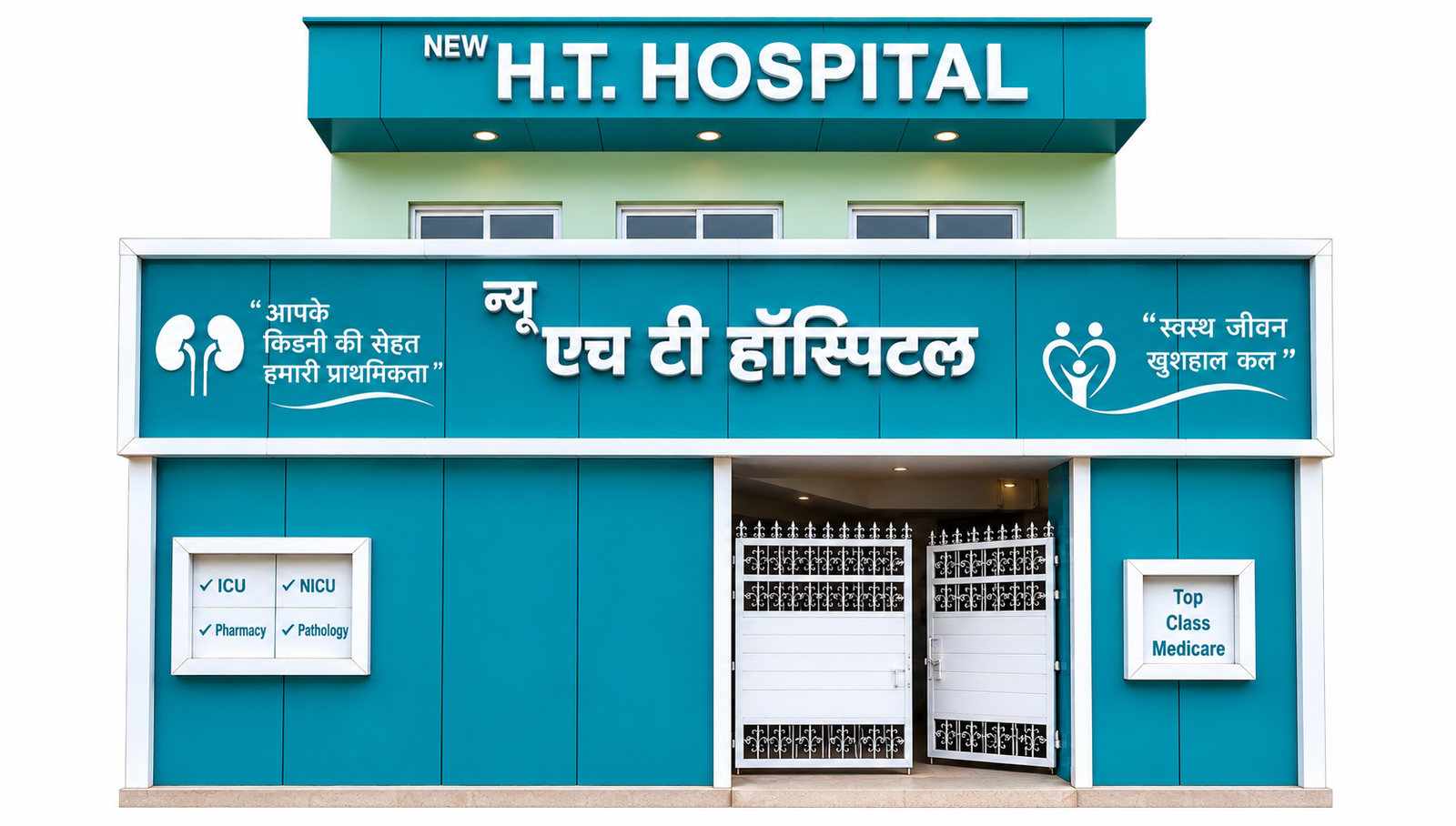
New H.T. Hospital is located at Bogabir, Lanka, opposite BHU Hospital in Varanasi. The location may be convenient for people travelling from Lanka, BHU, Assi, Durgakund, Sunderpur, Bhelupur, Manduadih, DLW, Ramnagar and nearby parts of the city. Patients should call ahead to confirm the availability of the relevant specialist, clinic timing, investigations and the most appropriate appointment route. Emergency symptoms should be assessed without delay.
Patients may search using phrases such as “nephrology in varanasi near me”, “nephrology doctor in Lanka”, “nephrology hospital near BHU” or “nephrology consultation in Varanasi”. These phrases describe a local search intent, but proximity alone should not determine where to seek care. Consider the clinician’s relevant qualifications, the service required, communication, follow-up arrangements and whether urgent care is needed. Contact the hospital directly for current, verifiable details rather than relying on assumptions from a search result.
New H.T. Hospital’s address is B31/62-A Bogabir, Lanka, Ahilyabai Colony, Opposite BHU Hospital, Varanasi, Uttar Pradesh 221005. For directions, use the map below or search for New H.T. Hospital, Bogabir, Lanka, Varanasi. If you are coming from outside Lanka, confirm travel time and appointment timing before departure.

New H.T. Hospital, Lanka, Varanasi
Finding a kidney specialist in Varanasi
People searching for a kidney specialist in Varanasi or a nephrologist in Lanka usually need an assessment of kidney function, urine abnormalities, blood pressure, swelling or a change in creatinine. A nephrologist is a physician who specialises in diagnosing and managing kidney disorders. The appropriate clinician and care setting depend on the suspected condition, its severity and whether urgent treatment is needed.
If you are comparing options for the best nephrologist in Varanasi, look for verifiable details rather than relying on a promotional ranking. Check the doctor's recognised medical qualifications, specialist training, relevant experience, registration details, consultation availability and the hospital's ability to coordinate the investigations or treatment you may need. New H.T. Hospital can be contacted to confirm the current nephrology consultation pathway, the name and credentials of the consulting doctor, clinic timings and appointment requirements. This page does not claim that a particular doctor is the best or that a named consultant is available on every day.
For patients looking for a kidney hospital near BHU, New H.T. Hospital is located at B31/62-A Bogabir, Lanka, opposite BHU Hospital, Varanasi. Call before visiting to verify the current service and consultant availability. If you have severe breathlessness, chest pain, confusion, seizures, very low urine output or another serious symptom, seek urgent medical care rather than waiting for an outpatient appointment.
High creatinine treatment and kidney function tests (KFT) in Varanasi
Creatinine is a waste product measured in the blood and is commonly used, together with other information, to estimate kidney filtration. A raised creatinine result is not a disease by itself and does not automatically mean kidney failure or a need for dialysis. The result may be influenced by the person's baseline kidney function, hydration, muscle mass, medicines, recent illness and the speed of change. A clinician interprets it alongside the estimated glomerular filtration rate (eGFR), urine findings, symptoms and previous reports.
What may be included in a kidney function test?
- Serum creatinine and eGFR: help assess filtration and compare kidney function over time.
- Blood urea and electrolytes: may help assess waste levels and substances such as sodium and potassium.
- Urine routine and microscopy: can identify blood, protein and other abnormalities.
- Urine albumin-to-creatinine ratio: may detect albumin leakage, including in people with diabetes or hypertension.
- Ultrasound of the kidneys and urinary tract: may be advised when structural changes or obstruction need assessment.
Not every person needs every investigation. If a report shows high creatinine, do not try to lower the number with unprescribed medicines, supplements, excessive water intake or a restrictive diet. The right treatment depends on the cause. A doctor may review hydration, infection, obstruction, blood pressure, diabetes, recent illness and medicines, then decide whether repeat tests, imaging, a medication adjustment or specialist assessment is needed. Bring the complete report with its date and any earlier results to the consultation.
Chronic kidney disease treatment and long-term kidney care
Chronic kidney disease treatment aims to identify the cause, slow further loss of kidney function, manage complications and support quality of life. The plan may include control of blood pressure and blood glucose, treatment of the underlying disease, review of medicines, monitoring of urine albumin and eGFR, and advice on diet, activity and smoking cessation where relevant. Dietary recommendations should be individualised; people with kidney disease should not independently start a high-protein, low-potassium, low-salt or fluid-restricted diet.
Follow-up intervals depend on the stage and rate of change, associated conditions and treatment. Keep a record of blood pressure readings, test dates, medicines and symptoms. Ask the treating clinician which results need monitoring and what changes should prompt an earlier review. If kidney function becomes severely reduced, the care team may discuss future treatment options, including dialysis or transplantation assessment where appropriate. Not everyone with CKD progresses to kidney failure.
Frequently asked questions about nephrology
What does a nephrologist treat?
A nephrologist evaluates kidney diseases and related problems such as chronic kidney disease, acute kidney injury, protein or blood in urine, electrolyte disturbances, difficult-to-control blood pressure and complications that may require dialysis. The exact care plan depends on the diagnosis and the patient’s overall health.
When should I see a kidney specialist in Varanasi?
Consider specialist review if tests show persistently raised creatinine, reduced eGFR, protein or blood in urine, recurrent kidney stones, unexplained swelling, difficult blood pressure control or a history of kidney injury. A primary-care doctor may also refer you based on risk factors.
Can kidney disease exist without symptoms?
Yes. Early chronic kidney disease often causes few or no noticeable symptoms. People with diabetes, hypertension, cardiovascular disease or a family history of kidney disease should ask their clinician whether periodic blood and urine testing is appropriate.
Which tests check kidney function?
Common tests include serum creatinine with eGFR, blood urea, electrolytes and urine tests for albumin, protein or blood. Ultrasound may be used to assess kidney size, structure or urinary obstruction. Your clinician decides which tests are appropriate.
Does every patient with high creatinine need dialysis?
No. A creatinine result alone does not determine the need for dialysis. Decisions consider symptoms, potassium and acid levels, fluid overload, complications, kidney function trends and the overall clinical situation. Only the treating team can make that decision.
Can diabetes cause kidney failure?
Diabetes can damage kidney filters over time, but risk can be reduced through individualised glucose and blood pressure management, appropriate kidney-protective treatment and regular urine and blood testing. Early detection is important.
Is kidney pain always a sign of kidney disease?
No. Many kidney conditions are painless, while back or side pain can arise from muscles, bones, stones, infection or other causes. Persistent pain, fever, blood in urine or urinary difficulty warrants medical assessment.
How do I book a nephrology appointment at New H.T. Hospital?
Call 7499854899 or 7985597252 to ask about current nephrology clinic availability and appointment arrangements. The hospital is at B31/62-A Bogabir, Lanka, opposite BHU Hospital, Varanasi. Carry previous reports and prescriptions.
Does high creatinine always mean kidney failure?
No. Creatinine is one marker used to assess kidney filtration. A raised result needs interpretation with eGFR, previous results, urine tests, symptoms, medicines and the clinical context. It does not by itself establish kidney failure or mean that dialysis is required.
Contact New H.T. Hospital, Varanasi
For nephrology appointment enquiries, current clinic timings and service confirmation, contact the hospital directly.
Address: B31/62-A Bogabir, Lanka, Ahilyabai Colony, Opposite BHU Hospital, Varanasi, Uttar Pradesh 221005
Phone: 7499854899 · 7985597252
Email: lifecare2020july@gmail.com