
Understanding gynaecology and obstetrics care
Gynaecology and obstetrics are related medical specialties focused on different but connected stages of reproductive and women’s health. Gynaecology deals with the reproductive system and related hormonal concerns, including menstrual problems, pelvic pain, ovarian conditions, uterine conditions, infections and menopause-related symptoms. Obstetrics focuses on health during pregnancy, labour, childbirth and the period after delivery. Care should be individualised, respectful and based on the patient’s symptoms, medical history, examination and preferences.
People searching for a gynaecologist in Varanasi, pregnancy care near BHU or a women’s health specialist in Lanka may be looking for help with a new symptom, routine preventive care, fertility concerns or support during pregnancy. These needs are not interchangeable. A missed period, heavy menstrual bleeding, pelvic pain and pregnancy-related bleeding each require a different assessment. Online information can help patients prepare questions, but it cannot establish a diagnosis or replace a clinical examination.
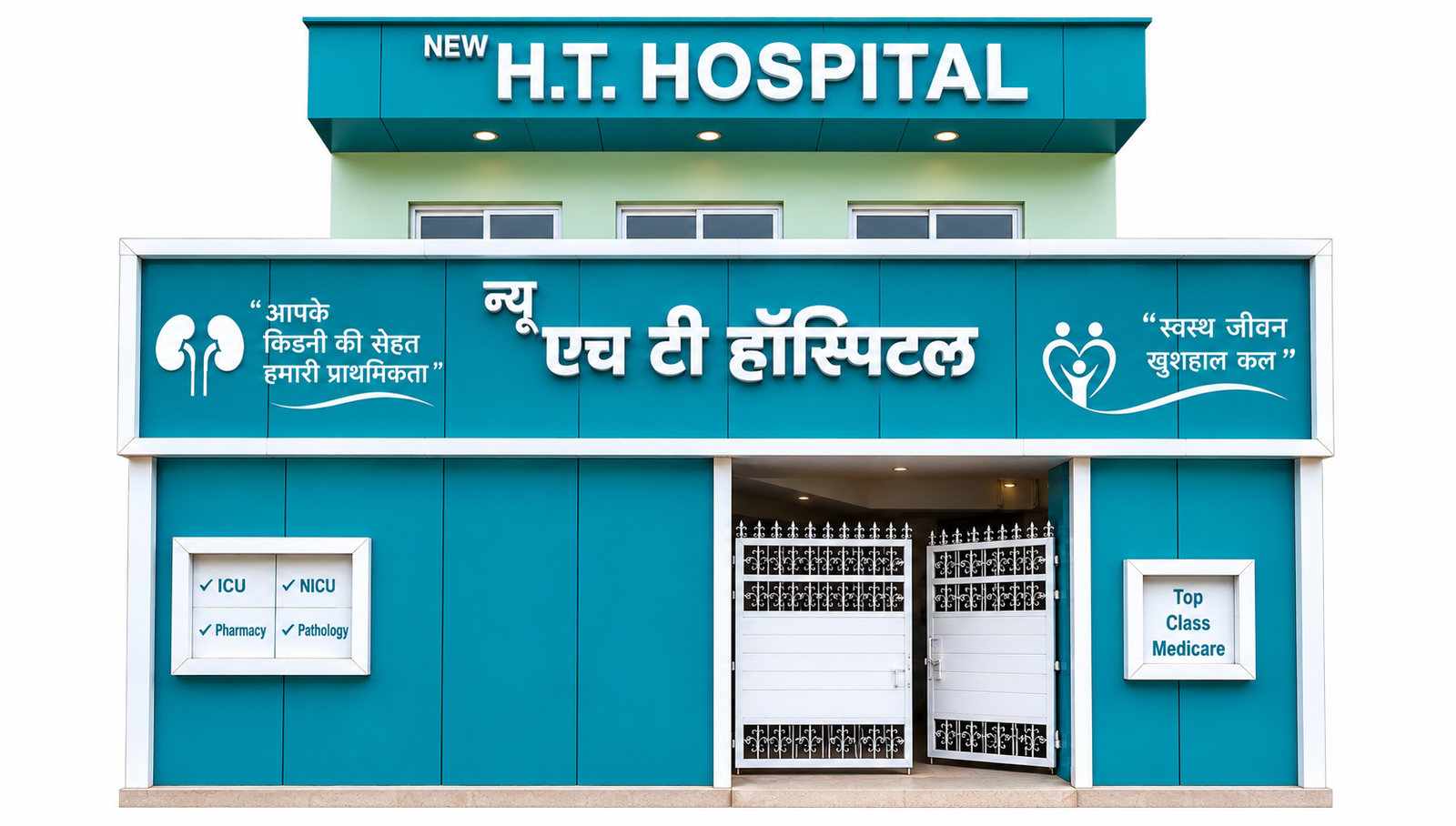
New H.T. Hospital is located at B31/62-A Bogabir, Lanka, Ahilyabai Colony, opposite BHU Hospital, Varanasi. Contact the hospital directly to confirm the current gynaecology and obstetrics consultation pathway, specialist schedule, appointment process and availability of any specific service before travelling. This page is general educational information; it does not confirm that every consultation, scan, test, delivery service or procedure described here is available at the hospital.

Common gynaecological and obstetric concerns
The topics below explain common reasons for seeking assessment. They are not a self-diagnosis checklist. Symptoms can overlap, and more than one condition may be present. A clinician decides which examination or investigation is appropriate.
1. Menstrual irregularities and abnormal uterine bleeding
Menstrual cycles can vary, particularly during adolescence, after pregnancy and around the transition to menopause. However, periods that become unusually heavy, prolonged, frequent, infrequent or unpredictable deserve assessment—especially when the change is new or affects daily activities. Heavy bleeding may contribute to iron-deficiency anaemia, causing tiredness, weakness, breathlessness or dizziness. Possible causes include hormonal changes, fibroids, polyps, thyroid disorders, pregnancy-related conditions and other gynaecological problems. Record the dates of periods, duration, approximate flow, clots, pain and any bleeding between periods or after sex. Seek urgent care for very heavy bleeding accompanied by faintness, severe weakness, breathlessness or severe pain.
2. Polycystic ovary syndrome (PCOS)
PCOS is a hormonal and metabolic condition that can be associated with irregular or absent periods, acne, increased facial or body hair, scalp hair thinning and difficulty with ovulation. Some people with PCOS also have insulin resistance or an increased risk of developing type 2 diabetes. The features vary, and an ultrasound appearance of the ovaries alone does not establish the diagnosis. Assessment may include menstrual history, examination and selected blood tests to consider other causes of similar symptoms. Management depends on the person’s priorities, such as cycle regulation, skin or hair symptoms, metabolic health or pregnancy planning. Sustainable activity, nutrition and sleep habits may support overall health, but treatment should not be reduced to weight alone.
3. Uterine fibroids
Fibroids are non-cancerous growths that develop in or around the uterus. Many cause no symptoms and are found incidentally. Depending on their size and location, fibroids may be associated with heavy periods, pelvic pressure, frequent urination, pain or difficulty conceiving. Assessment takes account of symptoms, age, pregnancy plans and examination findings; ultrasound may be used when indicated. Treatment is not automatically required for every fibroid. Options depend on the clinical situation and may include observation, medicines or a procedure. Ask how the location and size of a fibroid relate to the symptoms and whether monitoring or treatment is appropriate.
4. Endometriosis and chronic pelvic pain
Endometriosis occurs when tissue similar to the lining of the uterus grows outside the uterus. It may be associated with painful periods, pelvic pain, pain during sex, bowel or bladder symptoms around menstruation and fertility difficulties. The severity of pain does not always reflect the extent of disease. Chronic pelvic pain can also have other causes, including adenomyosis, fibroids, pelvic infection, urinary conditions or bowel disorders. A careful history is important: note when pain occurs, its location, relation to periods, associated symptoms and impact on work, sleep or daily life. Seek prompt care for sudden severe pelvic pain, fever, fainting or possible pregnancy with pain or bleeding.
5. Vaginal discharge, itching and pelvic infections
Vaginal discharge varies naturally through the menstrual cycle, but a new change in colour, smell or amount, or discharge accompanied by itching, burning, pain or bleeding, may need assessment. Possible causes include yeast infection, bacterial vaginosis, sexually transmitted infections and non-infectious irritation. Symptoms alone may not reliably identify the cause, and using an unsuitable over-the-counter treatment can delay the correct diagnosis. Pelvic inflammatory disease is an infection involving the upper reproductive tract and may cause lower abdominal pain, fever, abnormal discharge or bleeding. Early assessment and appropriate treatment matter. Avoid self-prescribing antibiotics or using leftover medicines.
6. Pregnancy confirmation and early antenatal care
A positive home pregnancy test should be followed by appropriate medical guidance, particularly if the person has pain, bleeding, previous pregnancy complications or significant medical conditions. Early antenatal care helps establish the expected stage of pregnancy, review health history and medicines, assess risk factors and plan suitable investigations. The timing and type of tests depend on gestational age and individual circumstances. Share all prescribed medicines, supplements and herbal products with the clinician; do not stop essential long-term treatment without medical advice. Folic acid is commonly recommended before conception and in early pregnancy, but the dose and any additional supplements should be discussed with a qualified professional.
7. Routine antenatal monitoring
Antenatal care is a series of assessments during pregnancy rather than a single visit. Appointments allow the care team to review maternal health, blood pressure, symptoms, fetal growth and wellbeing, and the results of investigations appropriate to the stage of pregnancy. Blood and urine tests, ultrasound examinations and screening may be recommended according to clinical guidance and individual risk. Keep a record of appointments and reports, and ask what each test is intended to assess. Attend scheduled visits even when the pregnancy feels well, because some conditions can develop without obvious symptoms.
8. High-risk pregnancy and medical conditions
Some pregnancies need closer monitoring because of factors such as high blood pressure, diabetes, thyroid disease, kidney or heart conditions, multiple pregnancy, previous pregnancy complications or other maternal and fetal concerns. “High risk” does not mean that a complication will definitely occur; it means the care plan may need additional review, monitoring or specialist input. Discuss existing diagnoses and previous pregnancy outcomes early. Do not change blood pressure, diabetes, thyroid or other long-term medicines on your own, because both untreated illness and inappropriate medication changes can create risks during pregnancy. Confirm in advance which facility can provide the level of monitoring or emergency support required.
9. Pregnancy warning signs
Pregnant patients should seek urgent medical advice for vaginal bleeding, fluid leakage, severe or persistent abdominal pain, severe headache, visual disturbance, sudden swelling of the face or hands, fever, persistent vomiting with inability to keep fluids down, breathing difficulty, fainting or markedly reduced fetal movement after movements have become established. Heavy bleeding, seizures, severe breathing difficulty, collapse or severe pain require emergency care. Do not wait for a routine antenatal appointment or rely on an online symptom checker. The appropriate action depends on gestational age and the severity of symptoms.
10. Postnatal and postpartum health
Recovery after childbirth includes physical, emotional and practical changes. Postpartum follow-up can address bleeding, wound or perineal healing, pain, blood pressure, breastfeeding concerns, sleep, contraception and emotional wellbeing. Heavy bleeding, fever, worsening abdominal pain, foul-smelling discharge, severe headache, chest pain, breathlessness, leg swelling or thoughts of self-harm require prompt medical attention; some are emergencies. Postpartum depression and anxiety are treatable health conditions, not personal failures. Tell a healthcare professional about persistent sadness, panic, intrusive thoughts or difficulty functioning, and seek immediate help if there is a risk of harm to the mother or baby.
11. Menopause and perimenopause
Perimenopause is the transition leading up to menopause and can involve changes in cycle pattern, hot flushes, night sweats, sleep disturbance, mood changes, vaginal dryness and urinary symptoms. Menopause is diagnosed retrospectively after 12 months without a menstrual period when no other cause explains the absence. Symptoms and their impact vary considerably. A consultation can consider symptom severity, medical history, bone and cardiovascular health, and treatment options. Any bleeding after menopause should be assessed rather than assumed to be a normal hormonal change. Treatment choices require discussion of benefits, risks and personal medical history.
12. Fertility concerns and preconception counselling
Difficulty conceiving can involve ovulation, sperm health, fallopian tubes, the uterus, age-related factors or a combination of causes. Assessment may be appropriate after 12 months of regular unprotected intercourse without conception, or earlier when the person is 35 or older, has irregular or absent periods, known reproductive conditions or a history that may affect fertility. Both partners may need evaluation. Preconception counselling can review chronic illnesses, medicines, vaccinations, nutrition, tobacco and alcohol exposure, and pregnancy history. Avoid unproven fertility medicines or supplements; investigations and treatment should be tailored to the couple.
13. Cervical screening and prevention
Cervical screening looks for changes that may lead to cervical cancer, often related to persistent infection with high-risk types of human papillomavirus (HPV). Screening recommendations and intervals depend on age, prior results, local guidance and individual risk. Screening is intended for people without symptoms; unusual bleeding, persistent discharge or pelvic pain needs diagnostic assessment rather than waiting for a routine screening test. HPV vaccination can reduce the risk of disease caused by vaccine-covered HPV types, but it does not replace recommended screening. Ask the clinician which screening approach is appropriate and how results will be communicated.
14. Contraception and reproductive planning
Contraceptive choices include barrier methods, hormonal methods, intrauterine devices and permanent options. Suitability depends on health history, preferences, breastfeeding status, medicines, menstrual symptoms and future pregnancy plans. No method is ideal for everyone, and some methods also affect bleeding patterns or menstrual pain. Condoms help reduce the risk of many sexually transmitted infections; most other contraceptive methods do not provide this protection. Discuss effectiveness, possible side effects, reversibility, missed-dose instructions and what to do if a method fails. Emergency contraception is time-sensitive, so seek prompt professional advice after unprotected sex or contraceptive failure.

Symptoms that should prompt a consultation
Arrange a medical review for periods that are persistently irregular or unusually heavy, bleeding between periods or after sex, severe menstrual pain, persistent pelvic discomfort, unusual vaginal discharge, vulval itching or sores, urinary symptoms, breast changes, fertility concerns or troublesome menopause symptoms. During pregnancy, attend the recommended antenatal schedule and report new or concerning symptoms. Do not assume that pain or bleeding is “normal” simply because it occurs during a menstrual cycle or pregnancy.
Record the timing, duration and severity of symptoms. For menstrual concerns, note cycle dates and bleeding pattern. For pelvic pain, note its location, relation to periods, intercourse, urination or bowel movements. For pregnancy-related concerns, record gestational age if known, when symptoms began and any associated changes. Bring a list of medicines, supplements, allergies, previous diagnoses and relevant family history. These details help the clinician decide which examination or tests may be useful.
Diagnosis and investigations in women’s health
Assessment usually begins with a confidential discussion of symptoms, menstrual and pregnancy history, sexual and reproductive health where relevant, previous procedures, medicines and general medical conditions. The clinician should explain the purpose of any examination and obtain consent. Patients can ask questions, request clarification and discuss privacy or the presence of a chaperone. The examination should be limited to what is clinically necessary and appropriate to the concern.
Laboratory tests
Depending on the presentation, tests may include pregnancy testing, a complete blood count, iron studies, thyroid tests, blood glucose testing, hormone investigations, urine tests or swabs. Not every patient needs a broad panel. The choice depends on the symptom pattern and what the result may change in the care plan. Ask whether fasting or any other preparation is required and when results will be reviewed.
Ultrasound and other imaging
Pelvic ultrasound may be used to assess the uterus, endometrium and ovaries when indicated. During pregnancy, ultrasound can help assess gestational development and other clinical questions at appropriate stages. The type and timing of imaging depend on the reason for the scan and pregnancy status. An ultrasound finding should be interpreted alongside symptoms and examination; it is not a substitute for clinical review. Contact the hospital to confirm whether a particular scan is available at the location or whether an external referral is needed.
Screening and diagnostic procedures
Cervical screening, colposcopy, biopsy or other procedures may be considered for specific indications. Screening tests and diagnostic tests serve different purposes. A screening result that needs follow-up does not by itself mean cancer is present; it indicates that further assessment may be appropriate. Ask what the result means, what the next step is and how soon it should happen. Confirm the availability and location of any proposed procedure before making travel arrangements.
Treatment planning and ongoing care
Treatment depends on the diagnosis, symptom severity, age, pregnancy status, medical history and personal goals. Options may include observation, medicines, lifestyle measures, counselling, procedures or referral to another specialty. For menstrual disorders, PCOS, fibroids, endometriosis, infections and menopause symptoms, the appropriate approach differs. During pregnancy, medicines and investigations need to be considered with maternal and fetal safety in mind. Do not start antibiotics, hormonal medicines, fertility drugs or herbal preparations without professional guidance.
Shared decisions and informed consent
Before agreeing to a medicine, procedure or operation, ask why it is recommended, what benefits are expected, what risks or side effects may occur, whether alternatives exist and what could happen if treatment is delayed. Clarify the expected recovery period, follow-up schedule and warning signs. For pregnancy and childbirth planning, discuss the care setting, emergency arrangements and referral pathway appropriate to the individual risk profile. Patients should have an opportunity to understand the options and make informed decisions.
Medication and pregnancy safety
Some medicines are suitable during pregnancy and others are not; the answer depends on the specific medicine, dose, timing and medical condition. Do not stop prescribed treatment abruptly after a positive pregnancy test. Contact the prescribing clinician promptly for a medication review. The same principle applies while breastfeeding. Share over-the-counter medicines, pain relievers, supplements and traditional remedies, because these can also have effects or interactions.
Follow-up and preventive health
Follow-up is important when monitoring bleeding patterns, pelvic symptoms, treatment response, pregnancy progress, postpartum recovery or abnormal screening results. Keep reports together and attend review appointments. Ask which symptoms should prompt an earlier visit and how to contact the care team. Preventive care may include appropriate cervical screening, HPV vaccination discussion, contraception counselling, preconception planning and management of chronic health conditions.
When to seek urgent or emergency care
Seek urgent assessment for severe or sudden pelvic or abdominal pain, heavy vaginal bleeding, fainting, fever with pelvic pain, or possible pregnancy accompanied by pain or bleeding. During pregnancy, urgent warning signs include bleeding, fluid leakage, severe headache, visual disturbance, severe abdominal pain, seizures, breathing difficulty, collapse or reduced fetal movement after a usual pattern has been established. After delivery, heavy bleeding, fever, worsening pain, chest pain, breathlessness, severe headache or thoughts of self-harm need prompt attention. Call emergency services or go to the nearest emergency department for severe symptoms; do not wait for a routine appointment.
Preparing for a gynaecology or obstetrics visit
- Bring previous prescriptions, discharge summaries, pregnancy records, ultrasound reports, laboratory results and screening reports.
- Prepare a list of medicines, supplements, allergies and existing medical conditions.
- For menstrual concerns, note the first day of recent periods, cycle length, bleeding duration and any bleeding between periods.
- For pregnancy care, bring the date of the last menstrual period if known, previous pregnancy records and details of current medicines.
- Write down your main questions, symptoms and how they affect daily life.
- Call ahead to confirm the current specialist schedule, appointment process and availability of the particular consultation or investigation you need.
At the consultation, explain your main concern in your own words. You may ask why an examination is needed, what it involves and whether alternatives are available. Tell the clinician if you are pregnant, may be pregnant, are breastfeeding or are planning pregnancy. Before leaving, confirm the next steps, when results will be discussed and which symptoms require urgent attention.
Gynaecology and obstetrics care in Lanka, BHU and Varanasi
Patients searching for a gynaecologist in Varanasi, pregnancy care in Varanasi, women’s health specialist near BHU or gynaecology consultation in Lanka should verify the current services and clinician availability directly. Relevant considerations include the clinician’s qualifications and experience, the type of care required, access to appropriate investigations, privacy, communication, follow-up and referral arrangements. A search ranking or nearby address does not establish that a particular service is available or suitable for every pregnancy or gynaecological condition.
New H.T. Hospital is situated at Bogabir, Lanka, opposite BHU Hospital, Varanasi. The location may be accessible for patients travelling from Lanka, BHU, Assi, Durgakund, Sunderpur, Bhelupur, Manduadih, DLW, Ramnagar and nearby areas. Call before travelling to ask about the current gynaecology and obstetrics consultation pathway, specialist schedule, appointment requirements and whether the specific test or service you need is available. For pregnancy emergencies or severe symptoms, use emergency services rather than waiting for outpatient confirmation.
New H.T. Hospital’s address is B31/62-A Bogabir, Lanka, Ahilyabai Colony, Opposite BHU Hospital, Varanasi, Uttar Pradesh 221005. Use the map below for directions. Patients travelling from outside Lanka should confirm the appointment timing and the service pathway before departure.
New H.T. Hospital, Lanka, Varanasi
Frequently asked questions about gynaecology & obstetrics
What conditions are covered by gynaecology and obstetrics?
Gynaecology covers reproductive and hormonal health concerns such as menstrual problems, PCOS, fibroids, pelvic pain, infections and menopause symptoms. Obstetrics focuses on pregnancy, childbirth and postnatal care. The appropriate assessment depends on the patient’s symptoms and medical history.
When should I consult a gynaecologist in Varanasi?
Arrange a consultation for persistent or unusual menstrual changes, heavy bleeding, pelvic pain, abnormal discharge, fertility concerns or troublesome menopause symptoms. During pregnancy, attend scheduled antenatal visits and report new symptoms. Severe pain, heavy bleeding, fainting or pregnancy warning signs need urgent assessment.
What should I bring to a pregnancy appointment?
Bring previous pregnancy records, ultrasound and laboratory reports, prescriptions, a list of medicines and supplements, allergies and the date of your last menstrual period if known. Call ahead to confirm the current appointment process and any preparation required.
What tests may be needed for gynaecological problems?
Depending on the concern, tests may include pregnancy testing, blood or urine tests, swabs, pelvic ultrasound or cervical screening. Not every patient needs every test. A clinician should explain the purpose of each investigation and how the result will guide care.
Can I book a gynaecology appointment at New H.T. Hospital?
Call 7499854899 or 7985597252 to confirm the current gynaecology and obstetrics consultation pathway, specialist availability, timings and booking arrangements. The hospital is at B31/62-A Bogabir, Lanka, opposite BHU Hospital, Varanasi.
What are pregnancy warning signs that need urgent care?
Seek urgent medical advice for vaginal bleeding, fluid leakage, severe abdominal pain, severe headache, visual disturbance, fever, fainting, breathing difficulty or reduced fetal movement after a usual pattern is established. Heavy bleeding, seizures, collapse or severe breathing difficulty require emergency care.
Should I stop my regular medicines after a positive pregnancy test?
Do not stop prescribed medicines abruptly. Contact the prescribing clinician promptly for a pregnancy medication review, because the safest approach depends on the medicine, dose, timing and condition being treated. Share supplements and over-the-counter products too.
Where is New H.T. Hospital located?
New H.T. Hospital is at B31/62-A Bogabir, Lanka, Ahilyabai Colony, opposite BHU Hospital, Varanasi, Uttar Pradesh 221005.
Contact New H.T. Hospital, Varanasi
For gynaecology & obstetrics appointment enquiries, current clinic timings and service confirmation, contact the hospital directly.
Address: B31/62-A Bogabir, Lanka, Ahilyabai Colony, Opposite BHU Hospital, Varanasi, Uttar Pradesh 221005
Phone: 7499854899 · 7985597252
Email: lifecare2020july@gmail.com