
Understanding neurology and brain–nerve care
Neurology is the medical specialty concerned with disorders of the nervous system: the brain, spinal cord, peripheral nerves and the muscles they control. These structures coordinate movement, sensation, balance, speech, memory, behaviour and many automatic body functions. A problem in one part of the nervous system can therefore cause symptoms in another part of the body. For example, a nerve disorder may cause tingling in the feet, while a brain condition may affect speech, vision, strength or coordination.
People searching for a neurologist in Varanasi, a neurology hospital near BHU or a brain and nerve specialist in Lanka often need help understanding a symptom and deciding how quickly to seek assessment. The same symptom can have several causes. Headache may be related to migraine, infection, medication overuse or another condition; numbness may arise from a peripheral nerve, the spinal cord or the brain. A diagnosis should be based on the history, neurological examination and investigations selected for the individual—not on a keyword, symptom list or scan result alone.
New H.T. Hospital is located at B31/62-A Bogabir, Lanka, Ahilyabai Colony, opposite BHU Hospital, Varanasi. Contact the hospital to confirm the current neurology consultation pathway, specialist schedule and availability of any specific investigation before travelling. This page provides general patient education and does not confirm that every test, treatment or specialist service described below is provided on site.
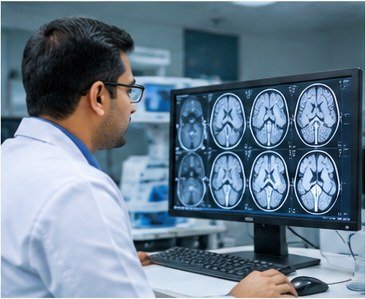
Neurological conditions commonly assessed
The conditions below are examples of problems that may require neurological assessment. They are not a self-diagnosis checklist. Some symptoms require emergency care, while others can be assessed through a planned consultation.
1. Stroke and transient ischaemic attack (TIA)
A stroke occurs when blood supply to part of the brain is interrupted or when bleeding occurs in or around the brain. A transient ischaemic attack can cause similar symptoms that resolve, but it is still a medical emergency warning that a stroke may follow. Typical warning signs include sudden facial drooping, weakness or numbness—often on one side—difficulty speaking or understanding speech, sudden loss or blurring of vision, severe imbalance, or an abrupt unusually severe headache. Use the FAST check: Face drooping, Arm weakness, Speech difficulty, Time to call emergency services. Note the time the person was last known to be well. Do not wait to see whether symptoms disappear, give food or drink to someone with swallowing difficulty, or drive a seriously unwell person yourself if emergency transport is available.
2. Migraine and recurrent headache
Migraine is a neurological disorder that can cause recurring attacks of moderate or severe headache, often with nausea and sensitivity to light or sound. Some people experience visual, sensory or speech symptoms called aura before or during an attack. Tension-type headache and cluster headache have different patterns, and headaches can also be caused by infections, medication overuse, injury or other medical problems. A headache diary can record onset, duration, location, severity, associated symptoms, menstrual relationship where relevant, sleep, meals and medicines used. A sudden “worst-ever” headache, headache after significant injury, or headache with fever and stiff neck, confusion, seizure, weakness or new vision loss needs urgent assessment.
3. Epilepsy and seizures
A seizure is a temporary episode caused by abnormal electrical activity in the brain. It may involve shaking and loss of awareness, but some seizures cause staring, unusual sensations, brief confusion or repetitive movements without dramatic convulsions. Epilepsy is a tendency to have recurrent unprovoked seizures; one seizure does not automatically mean a person has epilepsy. If safe, note how long an episode lasts and what happened before, during and after it. During a convulsive seizure, protect the person from nearby hazards, cushion the head, loosen tight clothing around the neck and turn them onto their side when possible. Do not restrain movements or put anything in the mouth. Seek emergency help for a seizure lasting five minutes or longer, repeated seizures without recovery, a first seizure, breathing difficulty, serious injury or a seizure in water or during pregnancy.
4. Peripheral neuropathy and nerve pain
Peripheral neuropathy refers to damage or dysfunction of nerves outside the brain and spinal cord. Symptoms may include burning, pins and needles, numbness, unusual sensitivity, weakness or reduced balance. Diabetes is a common cause, but vitamin deficiencies, alcohol exposure, certain medicines, kidney disease, thyroid disorders, infections and other conditions may also contribute. Assessment may include checking sensation, reflexes, strength, walking and foot health, followed by selected blood tests or nerve studies when appropriate. People with reduced foot sensation should inspect their feet regularly, use well-fitting footwear and seek prompt advice for wounds, redness, swelling or infection. Do not assume that all tingling is diabetic neuropathy.
5. Parkinson’s disease and movement disorders
Parkinson’s disease is a progressive neurological condition associated with changes in movement. Common features include slowness of movement, stiffness, resting tremor and changes in posture or walking. Some people also experience constipation, sleep disturbance, reduced sense of smell, mood changes or other non-motor symptoms. Tremor alone does not establish Parkinson’s disease; essential tremor, medication effects and other disorders can produce shaking. A clinician assesses the pattern of movement, the timeline and the effect on daily activities. Treatment may involve medicines, exercise, physiotherapy, occupational strategies and periodic review. Do not stop Parkinson’s medicines abruptly or alter their timing without clinical advice.
6. Memory changes, dementia and cognitive symptoms
Occasional forgetfulness can occur for many reasons, including poor sleep, stress, mood disorders, medication effects or medical illness. Persistent decline in memory, language, judgement, orientation or the ability to manage familiar tasks deserves assessment. Dementia describes a group of conditions that affect cognitive function and independence; it is not an inevitable part of normal ageing. Evaluation may include a history from the patient and a family member, cognitive assessment, review of medicines and selected tests for potentially treatable contributors. Sudden confusion or a rapid change in alertness is different from gradual memory decline and should be assessed urgently, particularly when accompanied by fever, weakness, injury or severe illness.
7. Vertigo, dizziness and balance disorders
Dizziness can mean spinning, light-headedness, unsteadiness or a feeling of near-fainting. Vertigo is the false sensation that the person or surroundings are moving. Causes include inner-ear disorders, migraine, medication effects, blood pressure changes and neurological conditions. The duration and triggers matter: brief spinning when turning in bed is different from continuous dizziness with difficulty walking. A clinical assessment may include eye movements, hearing-related symptoms, balance, blood pressure and a neurological examination. Sudden dizziness with double vision, slurred speech, new weakness, severe headache or inability to stand or walk can indicate a serious problem and requires emergency assessment.
8. Sciatica, spinal nerve compression and radiculopathy
Sciatica describes pain that travels from the lower back or buttock down the leg, often because a nerve root is irritated or compressed. Neck nerve compression can cause pain, tingling or weakness extending into an arm. Causes may include a disc problem, narrowing around the spinal nerves or other spinal conditions. The assessment considers the distribution of pain, strength, sensation, reflexes and the presence of warning signs. New bladder or bowel control problems, numbness around the groin or saddle area, or rapidly worsening leg weakness require emergency evaluation because they may indicate serious nerve compression. Imaging is not necessary for every episode of back pain; it is chosen when findings make it clinically useful.
9. Tremor and involuntary movements
Tremor is an involuntary rhythmic shaking that may occur at rest, while holding a posture or during movement. It can be associated with essential tremor, Parkinson’s disease, thyroid overactivity, low blood glucose, anxiety, medication effects or other causes. Describe which body part is affected, when the shaking occurs, whether it changes with activity and whether there are associated symptoms. Bring a list of medicines and supplements, as some can cause or worsen tremor. Do not discontinue a prescribed medicine without speaking to the prescriber. Sudden onset of shaking with confusion, weakness, fainting or other acute symptoms needs urgent assessment.
10. Neurological symptoms associated with diabetes
Long-standing or poorly controlled diabetes can affect peripheral nerves and may also increase the risk of stroke. Peripheral nerve involvement can cause numbness, burning pain, reduced sensation and balance problems, commonly beginning in the feet. Autonomic nerve involvement may affect digestion, sweating, bladder function or blood pressure regulation. Care may include glucose management, review of other cardiovascular risk factors, foot checks and treatment of nerve pain where appropriate. New one-sided weakness, facial droop or speech difficulty is not something to attribute to diabetes; treat it as a possible stroke and seek emergency help.
11. Multiple sclerosis and inflammatory neurological disorders
Multiple sclerosis is an immune-mediated disease in which inflammation affects the protective covering of nerve fibres in the central nervous system. Symptoms vary and can include visual disturbance, weakness, altered sensation, balance difficulty or fatigue. Similar symptoms can occur in many other conditions, so diagnosis requires specialist assessment and appropriate investigations. A person should not conclude that they have multiple sclerosis from fatigue, tingling or a single episode of blurred vision. The clinician will consider the pattern over time, examination findings and whether imaging or other tests are indicated.
12. Facial pain, facial weakness and nerve disorders
Facial pain may arise from dental, sinus, jaw, migraine or nerve-related causes. Trigeminal neuralgia can cause brief, severe, electric-shock-like pain on one side of the face, often triggered by touch, chewing or brushing teeth. Facial weakness can have several causes. Sudden facial drooping, especially with arm weakness or speech difficulty, must be treated as a possible stroke. Even when facial weakness appears isolated, prompt medical assessment is important to distinguish causes and determine appropriate care.

Symptoms that may need neurological evaluation
Consider arranging a medical consultation for persistent or recurring headaches, unexplained numbness or tingling, muscle weakness, repeated falls, tremor, seizures, memory or behavioural changes, altered speech, visual symptoms, unexplained balance difficulty or pain that follows a nerve distribution. The urgency depends on how symptoms began, how severe they are and whether they are progressing. A symptom that interferes with walking, work, sleep, eating or personal care deserves attention even if it is not painful.
Write down when the problem started, whether it appeared suddenly or gradually, how long episodes last and what seems to trigger them. Note associated symptoms such as fever, neck stiffness, vomiting, vision change, fainting, injury or changes in bladder and bowel function. Bring a current medicine list, including non-prescription products and supplements. If possible, ask someone who witnessed an episode to describe what they observed. This information can be particularly helpful when assessing seizures, fainting, memory changes and intermittent movement symptoms.
How neurological conditions are diagnosed
A neurological assessment usually begins with a detailed medical history and examination. Depending on the complaint, the clinician may assess alertness, speech, memory, eye movements, facial strength, limb power, sensation, reflexes, coordination, walking and balance. The examination helps identify which part of the nervous system may be involved and whether the problem needs urgent investigation or a planned work-up.
Blood and other laboratory tests
Blood tests may be considered to look for contributors such as glucose abnormalities, anaemia, electrolyte disturbance, thyroid disease, vitamin deficiency, inflammation or organ dysfunction. The exact tests depend on the suspected diagnosis and medical history. Not every patient needs every test, and a laboratory result must be interpreted alongside symptoms and examination findings.
Brain and spine imaging
CT or MRI may be recommended when the clinical picture suggests a need to examine the brain or spinal cord. The choice depends on the suspected condition, urgency, patient factors and availability. Imaging is not automatically required for every headache, episode of dizziness or back pain. Ask what the scan is intended to investigate, whether contrast is required, whether any preparation is needed and who will review the result with you.
EEG and nerve conduction studies
An electroencephalogram (EEG) records electrical activity in the brain and may be used when evaluating suspected seizures. A nerve conduction study, sometimes combined with electromyography (EMG), evaluates how electrical signals travel through peripheral nerves and muscles. These tests answer different clinical questions and are ordered selectively. Contact the hospital before travelling to confirm whether a specific test is available at the location or whether referral to another centre is required.
Interpreting reports in context
A scan or test report is only one part of the diagnosis. A normal result does not exclude every neurological disorder, and an abnormal finding may be incidental or unrelated to the current symptom. Ask the clinician to explain what the result means, whether it changes the treatment plan and whether follow-up or further assessment is needed. Keep copies of reports and images for future consultations.
Treatment, rehabilitation and long-term management
Treatment depends on the confirmed diagnosis, symptom severity, age, other medical conditions, current medicines and personal goals. Options may include medicines, risk-factor management, rehabilitation, lifestyle changes, monitoring, procedures or referral to another specialty. Not every neurological condition has the same treatment, and medicines used for one disorder may be inappropriate for another. Do not start prescription medicines, steroids, antibiotics or supplements based on online advice.
Medication safety and adherence
Ask for clear instructions about the medicine name, dose, timing, duration, expected benefit and possible side effects. Some neurological medicines need gradual dose changes and should not be stopped suddenly. Tell the treating clinician about allergies, pregnancy or breastfeeding where relevant, kidney or liver disease and all other medicines. If a new symptom appears after starting treatment, contact the prescribing team before changing the dose unless emergency care is needed.
Physiotherapy and occupational support
Rehabilitation may help some people improve strength, balance, walking, coordination or independence after a neurological illness or injury. A physiotherapist or occupational therapist can suggest exercises and practical adaptations based on an individual assessment. Avoid copying strenuous exercises from online videos when there is new weakness, severe pain, dizziness or a risk of falling. Ask which activities are safe and how progress should be monitored.
Managing associated health risks
People with diabetes, high blood pressure, high cholesterol, heart disease or a history of stroke may benefit from coordinated risk-factor management. Follow the clinician’s advice about medicines, monitoring, nutrition, activity, sleep and tobacco avoidance. The right plan depends on the diagnosis and the person’s overall health. Do not make abrupt changes to prescribed treatment because a reading or symptom has improved once.
Follow-up and family involvement
Follow-up helps assess whether symptoms are improving, whether treatment is tolerated and whether the diagnosis needs to be reconsidered. Families can help by recording episodes, supporting medicine routines and noticing changes in function, but the patient’s preferences and privacy should remain central. Ask which changes require an earlier review and whom to contact if the planned follow-up is delayed.
When neurological symptoms are an emergency
Call emergency services or go to the nearest emergency department for sudden facial drooping, one-sided weakness or numbness, difficulty speaking, sudden loss of vision, a new seizure, prolonged or repeated seizures, sudden severe headache, new confusion, reduced consciousness, severe head injury or rapidly worsening weakness. New bladder or bowel dysfunction with saddle-area numbness or progressive leg weakness also requires emergency assessment. Do not wait for a routine neurology appointment or a reply to an online enquiry.
Preparing for a neurology consultation
- Bring previous prescriptions, discharge summaries, laboratory reports, scan reports and imaging discs or digital access details.
- Prepare a list of all medicines, doses, supplements and known allergies.
- Write a brief timeline of symptoms, including the first episode, frequency, duration and any triggers.
- If there have been seizures, fainting or unusual movements, bring a witness’s description or a safely recorded video if one already exists. Never delay emergency care to record an episode.
- Bring glasses, hearing aids or mobility aids normally used, and ask whether a family member should accompany you.
- Call ahead to confirm the current consultation schedule, appointment process and availability of any requested investigation.
During the visit, explain the symptom that concerns you most and how it affects daily life. Ask what diagnoses are being considered, what the next test is expected to clarify, what treatment choices are available and what warning signs should prompt urgent review. Before leaving, make sure you understand the follow-up plan and how to obtain help if symptoms worsen.
Choosing neurology care in Varanasi
When comparing options for neurology care in Varanasi, consider whether the service can assess the particular problem, the relevant clinician’s qualifications and experience, access to appropriate investigations, communication, referral pathways and follow-up arrangements. Ask who will review test results and how urgent findings are handled. For suspected stroke, seizure emergencies or rapidly worsening neurological symptoms, choose emergency assessment rather than spending time comparing routine outpatient appointments.
Search phrases such as neurologist in Varanasi, brain specialist in Varanasi, nerve specialist near BHU, neurology consultation in Lanka and neurology hospital in Varanasi can help locate nearby services. Search rankings and proximity do not establish clinical quality or confirm that a particular specialist is available. Verify current schedules and services directly with the hospital.
New H.T. Hospital is at B31/62-A Bogabir, Lanka, Ahilyabai Colony, opposite BHU Hospital, Varanasi, Uttar Pradesh 221005. The location may be convenient for people travelling from Lanka, BHU, Assi, Durgakund, Sunderpur, Bhelupur, Manduadih, DLW and nearby areas. Call before travelling to confirm the current neurology consultation pathway, appointment requirements and whether the specific service you need is available.
Neurology care near Lanka and BHU
Patients and families may have practical questions about reaching the hospital, carrying reports and arranging a follow-up visit. Keep the contact details and previous medical documents together, and allow time for registration and review. If the patient has difficulty walking, seizures, confusion or sudden weakness, do not treat a routine outpatient visit as a substitute for emergency transport and assessment.
New H.T. Hospital’s address is B31/62-A Bogabir, Lanka, Ahilyabai Colony, Opposite BHU Hospital, Varanasi, Uttar Pradesh 221005. Use the map below for directions. Contact the hospital to verify current department availability before setting out, particularly if you are travelling from outside Varanasi or require a specific consultant or investigation.
New H.T. Hospital, Lanka, Varanasi

Frequently asked questions about neurology
What conditions are assessed in neurology?
Neurology evaluates disorders affecting the brain, spinal cord, peripheral nerves and muscles. Examples include stroke, migraine, seizures, neuropathy, movement disorders, memory changes and some causes of dizziness or nerve pain. The appropriate assessment depends on the individual symptoms.
When should I see a neurologist in Varanasi?
Arrange a consultation for persistent, recurrent, unexplained or worsening neurological symptoms such as headaches, numbness, tremor, memory changes or balance difficulty. Sudden weakness, facial drooping, speech difficulty, a new seizure or sudden severe headache requires emergency assessment, not a routine appointment.
What tests may be used for neurological problems?
Depending on the clinical assessment, tests may include blood investigations, CT or MRI, EEG, nerve conduction studies or EMG. Not every patient needs every test. Contact the hospital to confirm whether a particular investigation is currently available at this location.
Can I book a neurology appointment at New H.T. Hospital?
Call 7499854899 or 7985597252 to confirm the current neurology consultation pathway, specialist availability, timings and booking arrangements. The hospital is at B31/62-A Bogabir, Lanka, opposite BHU Hospital, Varanasi.
What should I bring to a neurology consultation?
Bring previous prescriptions, discharge summaries, laboratory and imaging reports, a list of medicines and allergies, and a brief timeline of symptoms. If there have been episodes of unusual movement or altered awareness, a witness’s description may also help.
Does every headache or episode of dizziness need a brain scan?
No. The need for imaging depends on the symptom pattern, examination, medical history and warning signs. A clinician decides whether CT, MRI or another investigation is appropriate and explains what it is expected to clarify.
Is sudden weakness or speech difficulty a neurology appointment?
No. Sudden facial drooping, one-sided weakness or numbness, or difficulty speaking may indicate stroke. Seek emergency medical attention immediately and note when the symptoms began or when the person was last known well.
Where is New H.T. Hospital located?
New H.T. Hospital is at B31/62-A Bogabir, Lanka, Ahilyabai Colony, opposite BHU Hospital, Varanasi, Uttar Pradesh 221005.
Contact New H.T. Hospital, Varanasi
For neurology appointment enquiries, current clinic timings and service confirmation, contact the hospital directly.
Address: B31/62-A Bogabir, Lanka, Ahilyabai Colony, Opposite BHU Hospital, Varanasi, Uttar Pradesh 221005
Phone: 7499854899 · 7985597252
Email: lifecare2020july@gmail.com