
Understanding pulmonology, chest medicine, allergy and asthma care
Pulmonology is the medical specialty concerned with the lungs, airways and the wider respiratory system. These structures bring oxygen into the body and remove carbon dioxide. Problems may affect the nose and upper airway, windpipe, bronchial tubes, air sacs of the lungs, lung tissue, pleura (the lining around the lungs), breathing muscles or the way breathing is controlled during sleep. Symptoms can overlap: cough, wheeze, chest discomfort and breathlessness may arise from respiratory disease, heart conditions, anaemia, infection, medication effects or other causes. A careful assessment is therefore more useful than trying to identify a disease from one symptom alone.
People looking for a chest specialist, lung doctor, asthma consultation or allergy assessment in Varanasi often need practical answers: when to seek help, which investigations might be considered, how to use prescribed treatment safely and how to reduce future flare-ups. This guide explains common respiratory concerns and the usual clinical approach. It is general patient information, not a diagnosis or a substitute for an examination. New H.T. Hospital is located at Bogabir, Lanka, opposite BHU Hospital. Contact the hospital to confirm the current availability of a pulmonology consultation, clinician schedule and any specific respiratory test before travelling.
Common respiratory and allergy conditions
Respiratory symptoms can be short-lived or chronic, mild or severe. More than one condition may coexist—for example, asthma and allergic rhinitis, or COPD and heart disease. The conditions below are common reasons for medical assessment, but the list is not exhaustive.
1. Asthma
Asthma is a long-term condition in which the airways become inflamed and overly sensitive. The airway muscles may tighten and the lining may swell, narrowing the passage through which air moves. Symptoms can include episodes of wheezing, cough, chest tightness and shortness of breath. They may vary over time and can be worse at night, early in the morning, during exercise or after exposure to dust, smoke, pollen, animal dander, pollution, cold air or respiratory infections. Not every person with asthma wheezes, and not every episode of wheezing is asthma.
Assessment usually considers the pattern of symptoms, triggers, previous attacks, family or personal allergy history and response to earlier treatment. Where appropriate and available, a clinician may request lung-function testing such as spirometry to assess airflow. A written action plan can help a patient understand regular treatment, reliever use, trigger reduction and what to do if symptoms worsen. Inhaler technique matters: incorrect use can make an otherwise suitable medicine less effective. Ask a clinician or trained healthcare professional to demonstrate the device and check technique at follow-up. Do not start, stop or change inhaled steroids or other prescription medicines without medical advice.
2. Chronic obstructive pulmonary disease (COPD)
COPD is a group of chronic lung conditions that cause persistent airflow limitation. It is commonly associated with long-term tobacco smoke exposure, but indoor air pollution, occupational dusts and fumes, previous lung injury and other exposures can also contribute. Symptoms may include a long-standing cough, sputum, wheezing, reduced exercise tolerance and gradually increasing breathlessness. Some people attribute these changes to ageing or being unfit and delay assessment. Persistent or progressive breathlessness deserves medical review, particularly in anyone with a smoking or exposure history.
A clinician may consider spirometry, oxygen assessment, chest imaging or other investigations depending on the presentation. Treatment is individual and can include stopping smoking, avoiding harmful exposure, inhaled medicines, vaccination advice, physical activity and pulmonary rehabilitation where appropriate. Exacerbations—episodes in which breathlessness, cough or sputum worsen—may require prompt assessment. Antibiotics and oral steroids are not suitable for every flare and should be used only when prescribed. Severe breathlessness, blue or grey lips, confusion or inability to speak in full sentences is an emergency.
3. Persistent or chronic cough
A cough is a protective reflex that helps clear the airways. A short-term cough often follows a viral infection, but a cough that persists, repeatedly returns or interferes with sleep and daily activity should be evaluated. Possible causes include asthma, COPD, post-infectious airway irritation, tuberculosis, pneumonia, allergic upper-airway disease, acid reflux, smoking, environmental exposure and certain medicines. More than one cause may be present. The colour of sputum alone cannot reliably identify whether an infection is bacterial or whether antibiotics are needed.
At a consultation, explain when the cough began, whether it is dry or productive, whether blood has appeared, and whether it is associated with fever, weight loss, night sweats, wheeze, heartburn, nasal symptoms or breathlessness. Mention smoking, passive smoke, workplace exposure and all medicines, including blood-pressure medicines. Coughing up blood, significant breathlessness, chest pain, fainting or rapid deterioration needs urgent assessment. Do not suppress a persistent cough for weeks with repeated over-the-counter products without finding out why it is occurring.
4. Pneumonia and lower respiratory infections
Pneumonia is an infection that inflames the air sacs in one or both lungs. It may be caused by bacteria, viruses or, less commonly, other organisms. Symptoms can include fever, chills, cough, sputum, chest pain that worsens with breathing, tiredness and shortness of breath. Older adults and people with weakened immunity may not develop a typical fever and can instead present with confusion, weakness, reduced appetite or a sudden decline in usual function. Severity ranges from illness that can be managed with close outpatient review to a life-threatening infection requiring hospital care.
Diagnosis is based on symptoms and examination, with chest imaging, oxygen measurement and blood tests considered when clinically indicated. Treatment depends on the likely cause and severity. Antibiotics treat selected bacterial infections, not viral illnesses, and the choice and duration must be decided by a clinician. Rest, fluids when safe, fever management and monitoring may form part of care. Worsening breathlessness, low oxygen if measured, confusion, inability to drink, persistent vomiting or deterioration in a person with significant chronic illness warrants urgent review.
5. Acute and chronic bronchitis
Bronchitis describes inflammation of the bronchial tubes. Acute bronchitis often follows a viral respiratory infection and may cause cough, mucus, throat irritation and temporary chest discomfort. The cough can last longer than the fever or other initial symptoms. Chronic bronchitis is a clinical term associated with a productive cough over a prolonged period and may occur as part of COPD. The distinction matters because the cause, investigations and long-term management are different.
Most uncomplicated acute bronchitis does not require antibiotics. A clinician considers pneumonia, asthma, COPD and other causes when symptoms, examination or risk factors suggest them. Avoid smoking and second-hand smoke, maintain hydration if medically appropriate and use medicines only as advised. Repeated episodes, persistent sputum, blood in sputum, fever that does not settle or increasing breathlessness should prompt assessment rather than repeated self-medication.
6. Allergic rhinitis and environmental allergies
Allergic rhinitis is an allergic reaction affecting the lining of the nose. Typical symptoms include sneezing, a runny or blocked nose, itching and watery eyes. Pollen, dust mites, mould and animal allergens can trigger symptoms in susceptible people. Some patients also experience cough or worsening asthma symptoms. Symptoms may be seasonal or present throughout the year. A cold, sinus condition and non-allergic irritation can look similar, so the history and examination help guide the diagnosis.
Management may involve reducing exposure to a relevant trigger, saline nasal care and prescribed medicines such as antihistamines or nasal corticosteroids. Nasal sprays need correct technique and regular use as directed; they are not all immediate-relief products. Avoid using decongestant nasal sprays for longer than the product or clinician recommends, as prolonged use can worsen congestion. Persistent symptoms, sleep disruption, recurrent sinus problems or associated wheezing are reasons to seek medical advice. Allergy testing is considered selectively when the result is likely to change management.
7. Wheezing and shortness of breath
Wheezing is a whistling sound that can occur when air moves through narrowed airways. Breathlessness is the sensation of not getting enough air. Both can occur with asthma, COPD, respiratory infections, allergic reactions and other lung conditions, but they may also result from heart disease, anaemia, blood clots, anxiety or reduced physical conditioning. A new symptom should not automatically be labelled asthma, particularly when it begins suddenly or occurs with chest pain, fainting or leg swelling.
The clinician will consider the speed of onset, severity at rest and during activity, oxygen level, medical history and examination findings. Investigations may include oxygen measurement, ECG, chest X-ray, blood tests or lung-function testing, depending on the suspected cause. Sudden severe breathlessness, choking, blue or grey lips, inability to speak, collapse or chest pain requires emergency care. If breathlessness is mild but recurring or gradually worsening, arrange a timely assessment rather than waiting until it becomes severe.
8. Tuberculosis (TB) and prolonged respiratory symptoms
Pulmonary tuberculosis is an infection that usually affects the lungs and can spread through the air when a person with infectious TB coughs or speaks. Symptoms may include a cough lasting several weeks, fever, night sweats, unexplained weight loss, fatigue, chest discomfort or coughing blood. These symptoms are not specific to TB, and other illnesses can produce a similar picture. A person with possible TB should seek medical assessment and follow advice about infection-control precautions while being evaluated.
Testing is selected according to clinical and public-health guidance and may include sputum testing, molecular tests, chest imaging and other investigations. TB treatment uses a combination of medicines for a prescribed duration. Completing the full regimen and attending follow-up are essential; stopping treatment early or changing doses independently can lead to treatment failure and drug resistance. Do not share TB medicines or use another person’s prescription. Ask the treating team about testing of close contacts and how to reduce transmission at home.
9. Sleep-related breathing problems and sleep apnoea
Obstructive sleep apnoea occurs when the upper airway repeatedly narrows or closes during sleep, interrupting normal breathing. Clues can include loud habitual snoring, witnessed pauses in breathing, gasping during sleep, unrefreshing sleep, morning headaches and excessive daytime sleepiness. Not everyone who snores has sleep apnoea. Untreated disease can affect quality of life and may be associated with high blood pressure and other health risks. Daytime sleepiness can also create a safety risk when driving or operating machinery.
Assessment considers sleep history, weight, airway features, medicines, alcohol use and other medical conditions. A sleep study may be recommended when clinically appropriate; the type and availability of testing should be confirmed with the treating clinician. Treatment depends on severity and may include weight management when relevant, positional measures, positive airway pressure therapy or selected specialist interventions. Do not assume that a sleep study or a particular device is available at the hospital without confirming it first.
10. Occupational and environmental lung disease
Repeated exposure to dust, fumes, chemicals, smoke, fibres or other airborne substances can irritate or damage the respiratory system. Risk depends on the substance, concentration, duration of exposure and use of appropriate protection. People working in construction, manufacturing, agriculture, stone cutting, cleaning, transport and other environments may have relevant exposures. Symptoms can include cough, wheezing, chest tightness or breathlessness that changes with work shifts, weekends or holidays.
Tell the clinician the exact job, materials handled, ventilation, protective equipment and when symptoms occur. If possible, bring safety information about workplace substances. Do not deliberately re-expose yourself to a suspected trigger to test the reaction. A clinician may recommend lung-function testing, imaging or referral to an occupational-health service. Reducing exposure and using appropriate workplace controls are important; a mask alone may not be adequate for every hazard.
Warning symptoms that should not be ignored
Arrange a medical consultation for a cough that persists, repeated chest infections, unexplained wheezing, breathlessness on ordinary activity, recurrent night-time symptoms, sputum that changes significantly, unexplained weight loss or fatigue, or symptoms that interfere with sleep and daily life. People who smoke or have a history of occupational exposure should discuss persistent respiratory symptoms early. Patients with heart disease, kidney disease, diabetes, pregnancy, older age or reduced immunity may need a lower threshold for assessment.
Seek emergency help for severe or rapidly worsening breathing difficulty, blue or grey lips or face, inability to speak because of breathlessness, collapse, fainting, new confusion, severe chest pain, choking, a severe allergic reaction with tongue or throat swelling, or significant coughing of blood. A child or adult who is struggling to breathe, becoming unusually drowsy or showing signs of poor circulation needs urgent care. Do not drive yourself if you are severely breathless or feel faint; call emergency services.
How a respiratory consultation is assessed
A respiratory assessment begins with a detailed history. The clinician may ask about the first day symptoms appeared, whether they are constant or episodic, what triggers them, whether they disturb sleep, and how they affect walking, work or exercise. Details about cough, sputum, wheeze, fever, chest pain, nasal symptoms, reflux, snoring and previous infections can help narrow the possibilities. Bring information about smoking and vaping, passive smoke, cooking fuels, air pollution and workplace exposures. Be open about these factors; they help guide care and are not a reason to delay seeking help.
The physical examination may include observing breathing effort, respiratory rate, pulse, temperature and oxygen saturation, and listening to the chest. The clinician may also examine the nose, throat, heart, legs or other systems when relevant. A single normal examination does not rule out every intermittent condition. If symptoms come and go, a written symptom diary or previous measurements may help explain the pattern.
Investigations that may be considered
Chest X-ray and other imaging
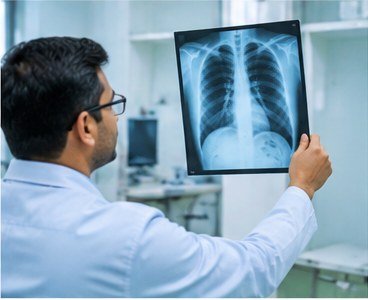
A chest X-ray may help assess suspected pneumonia, some structural lung changes, fluid around the lungs or other chest conditions. CT imaging provides more detailed pictures but is used selectively because it involves greater radiation exposure and may reveal findings that need further assessment. Imaging is not necessary for every cough or cold. The clinician should explain the reason for the requested scan, what it can and cannot show, and whether additional testing is needed.
Spirometry and lung-function assessment
Spirometry measures how much air a person can breathe out and how quickly. It can help identify airflow obstruction and support assessment of asthma or COPD when performed and interpreted appropriately. Some tests require preparation, and inhaler instructions before testing may differ depending on the purpose. Follow the laboratory or clinician’s directions rather than stopping prescribed medicines on your own. A test result is interpreted alongside symptoms and examination; it is not a stand-alone diagnosis.
Oxygen measurement and blood tests
A pulse oximeter estimates oxygen saturation through a sensor, usually placed on a finger. Readings can be affected by movement, circulation, nail products and device quality, and a home reading should not override severe symptoms. Blood tests may be used to assess infection, anaemia, inflammation or other conditions when indicated. No single blood marker can diagnose every respiratory illness. Ask what a result means in your particular situation and whether repeat testing is necessary.
Allergy and infection testing
Allergy tests may be considered when the history suggests a specific allergic trigger and identifying it would change management. A positive test indicates sensitisation, not always a clinically important allergy. Suspected TB or other infections require tests selected for the organism and clinical context. Do not interpret a report without professional guidance, and do not begin antibiotics or anti-tuberculosis medicines without an appropriate prescription and follow-up plan.
New H.T. Hospital’s published website information lists facilities such as pathology, X-ray and other diagnostic services. However, this does not establish that every specialist respiratory investigation—including spirometry, CT, sleep studies, allergy testing or bronchoscopy—is available on site. Call the hospital to verify the exact test, appointment requirement, preparation instructions and reporting arrangements before visiting.
Treatment approaches and safe medicine use
There is no single treatment for all chest, allergy and asthma problems. Management is based on the diagnosis, severity, age, pregnancy status where relevant, other illnesses, medicine interactions and patient preferences. Options may include education, trigger reduction, inhaled or oral medicines, treatment of an infection, oxygen or hospital-based care when clinically necessary, rehabilitation, monitoring or referral. The clinician should explain the purpose of each medicine, dose, timing, duration, expected benefit and important side effects.
Inhalers are commonly used for asthma and COPD, but different devices deliver medicines in different ways. A spacer may be recommended for some metered-dose inhalers. Rinse the mouth after an inhaled corticosteroid if instructed, and clean the device according to its product guidance. Keep track of dose counters and expiry dates. Do not share inhalers, use another person’s nebuliser medicine or repeatedly take a reliever beyond the prescribed plan. Frequent need for reliever medicine can signal poor control and should prompt review.
Antibiotics are appropriate only for selected bacterial infections. They do not treat viral colds, most uncomplicated acute bronchitis or asthma itself. Steroids can be useful in specific conditions but may cause important adverse effects, especially when taken repeatedly or without supervision. Cough syrups, antihistamines, decongestants, herbal products and supplements can also cause side effects or interact with existing medicines. Tell the clinician and pharmacist everything you take, including non-prescription products.
For long-term conditions, follow-up helps assess symptom control, inhaler technique, exercise tolerance, exacerbations and medicine side effects. Ask for a written plan if you have asthma or COPD, including what to do when symptoms worsen and when emergency help is required. Do not stop a prescribed controller medicine simply because symptoms improve unless the treating clinician advises a change.
Reducing respiratory risk in everyday life
- Avoid tobacco and vaping: stopping smoking is one of the most important steps for lung health. Ask a healthcare professional about evidence-based cessation support if needed.
- Reduce indoor smoke: improve ventilation and avoid exposure to biomass fuel smoke, incense, mosquito coils and other irritants where possible.
- Manage known triggers: follow practical advice for dust, mould, pollen, pets or workplace exposure if a trigger has been identified. Avoid unnecessary restrictive routines based on unconfirmed allergy assumptions.
- Stay active within your capacity: regular activity can support general fitness. People with significant breathlessness or heart/lung disease should ask what level of activity is safe.
- Follow vaccination advice: discuss age- and risk-appropriate vaccines, including influenza and pneumococcal vaccination where recommended under current guidance.
- Use medicines correctly: maintain an updated medicine list, check inhaler technique and attend reviews. Do not use leftover antibiotics or steroids.
- Reduce infection spread: cover coughs, wash hands, improve ventilation and follow medical advice if you may have a contagious respiratory infection.
Asthma action plans and recognising a flare-up
People with asthma benefit from understanding their usual level of control and recognising early deterioration. A flare may involve increasing cough, wheeze, chest tightness, night waking, reduced activity or greater use of reliever medicine. Follow the personalised action plan supplied by the treating clinician. If symptoms are severe, the reliever is not helping as expected, speech is difficult or the person is becoming exhausted or drowsy, seek emergency help. Do not delay emergency care while trying repeated home remedies.
At routine reviews, discuss symptom frequency, night waking, exercise limitation, missed school or work, reliever use and any urgent visits since the last appointment. Review inhaler technique and whether the medicine is being taken as prescribed. Triggers differ between people, so a plan should be individual rather than based on a generic list. Children with asthma need caregivers and school staff to understand the agreed plan where appropriate.
Living with COPD and other long-term lung conditions
Long-term respiratory disease can affect walking, sleep, work, mood and independence. A practical care plan may include prescribed inhalers, smoking cessation, nutrition support, activity or pulmonary rehabilitation where available, vaccination advice and a clear plan for flare-ups. Patients should ask how to recognise a change from their usual symptoms and when to contact the treating team. New confusion, severe breathlessness or bluish lips are not routine COPD symptoms to watch at home; they require urgent attention.
Family members can help by supporting medicine routines, accompanying the patient to appointments and learning the warning signs. Avoid pressuring someone to exercise beyond their safe capacity. If oxygen therapy is prescribed, use it only at the flow and duration directed by the treating clinician. Oxygen is a medical treatment, not a general remedy for breathlessness, and smoking or open flames near oxygen equipment create a serious fire risk.
Children, older adults and people with other medical conditions
Breathing problems can present differently at different ages. In infants and young children, fast breathing, chest indrawing, grunting, poor feeding, unusual sleepiness or bluish lips are warning signs. A child who is struggling to breathe needs urgent medical assessment. Do not give adult cough or cold medicines to a child unless a qualified clinician specifically recommends them. Medicine dose and suitability depend on age, weight and the particular product.
Older adults may show infection through confusion, falls, weakness or loss of appetite rather than a high fever. People with heart or kidney disease may need individual advice about fluids and medicines. Pregnancy can change the assessment and treatment choices for respiratory symptoms; tell the clinician if you are pregnant or may be pregnant. Anyone with reduced immunity, cancer treatment or a recent hospital admission should seek timely advice for new fever or worsening respiratory symptoms.
Questions to ask your doctor
- What are the most likely causes of my symptoms, and what else needs to be ruled out?
- Which tests are necessary, what will each test tell us, and how should I prepare?
- Is my condition short-term or likely to need long-term monitoring?
- How should I use each inhaler or medicine, and what side effects should I watch for?
- What should I do if my cough, wheezing or breathlessness gets worse?
- Which symptoms mean I should go to an emergency department?
- When should I return, and who will explain my test results?
- Are any recommended tests or procedures available at this hospital, or will I need a referral?
Preparing for a pulmonology or chest consultation
Before the visit, write down the main symptoms, when they began, how often they occur and what seems to trigger or relieve them. Note whether symptoms are worse at night, during exercise, at work or after exposure to smoke, dust, pollen or animals. Bring previous prescriptions, chest X-rays or scans, laboratory reports, discharge summaries and any lung-function results. If you use inhalers, bring the devices so technique can be reviewed.
Prepare an up-to-date list of prescription medicines, over-the-counter products and supplements, including doses if known. Mention allergies, smoking history, occupational exposure, previous TB treatment, hospital admissions and other chronic conditions. If a family member has observed snoring, pauses in breathing or episodes of severe wheeze, their description may be helpful. Ask whether you need to arrive fasting or follow any special preparation for a planned test; do not assume this is required for every appointment.
At the end of the consultation, make sure you understand the working diagnosis, the treatment plan, how long to use each medicine and when to seek help. Ask when and how test results will be reviewed. Keep a copy of the written advice and attend follow-up even if symptoms improve, particularly when a chronic condition or an abnormal investigation has been identified.
Respiratory care enquiries at New H.T. Hospital, Lanka, Varanasi
New H.T. Hospital is located at B31/62-A Bogabir, Lanka, Ahilyabai Colony, opposite BHU Hospital, Varanasi, Uttar Pradesh 221005. The location may be convenient for people travelling from Lanka, BHU, Assi, Durgakund, Sunderpur, Bhelupur, Manduadih, DLW, Ramnagar and nearby areas. Patients searching for a pulmonologist in Varanasi, a chest specialist near BHU, asthma consultation in Lanka or allergy and lung care in Varanasi should confirm the current clinic schedule directly with the hospital.
Call 7499854899 or 7985597252 to ask whether a relevant clinician is available, whether an appointment is required and which investigations or services can currently be arranged. The hospital’s general website lists diagnostic and other hospital facilities, but availability of a specific respiratory specialist, spirometry, allergy testing, sleep study, bronchoscopy or other procedure must be confirmed. Do not assume a service is available simply because it is commonly used in pulmonology.
When comparing care options, consider whether the clinician’s expertise matches the problem, whether the required investigation can be arranged, how results and follow-up are handled, and whether urgent care is needed. For sudden severe breathing difficulty or chest pain, do not travel for a routine appointment; seek emergency care immediately. For a stable, ongoing concern, bring previous records and allow time for a careful assessment.

Frequently asked questions about pulmonology, chest, allergy & asthma
What conditions are assessed in pulmonology, chest, allergy and asthma care?
Pulmonology concerns the lungs and respiratory system. Assessment may be relevant for persistent cough, wheezing, breathlessness, asthma, COPD, respiratory infections, suspected TB, sleep-related breathing concerns and selected allergy-related symptoms. The clinician decides the appropriate evaluation based on the individual history and examination.
When should I see a chest or lung specialist in Varanasi?
Arrange a medical review for persistent or recurrent cough, wheezing, unexplained breathlessness, repeated chest infections, sleep-disrupting respiratory symptoms or symptoms affecting daily activity. Sudden severe breathlessness, blue or grey lips, collapse, confusion or severe chest pain requires emergency care.
What tests may be used to assess a lung condition?
Depending on the suspected condition, investigations may include oxygen measurement, chest X-ray, blood tests, sputum testing, spirometry or other imaging and specialist tests. Not every patient needs every test. Call New H.T. Hospital to confirm whether a particular respiratory investigation is currently available.
Can asthma or COPD be treated with inhalers?
Inhalers are commonly used for asthma and COPD, but the correct medicine and device depend on the diagnosis and severity. A clinician should explain the dose, schedule and technique. Do not start, stop or change prescription inhalers without medical advice.
Do I need to bring previous reports and medicines?
Yes. Bring previous prescriptions, chest X-rays or scans, laboratory and lung-function reports, discharge summaries, inhalers and an up-to-date list of medicines and allergies. These records help the clinician understand the timeline and avoid unnecessary repeat testing.
Are spirometry, allergy tests or sleep studies available at the hospital?
Availability of specific respiratory investigations can change and is not confirmed by this page. Call the hospital before travelling to ask whether the exact test is available, whether an appointment or preparation is needed and how results are reviewed.
How can I book a pulmonology consultation at New H.T. Hospital?
Call 7499854899 or 7985597252 to confirm current department availability, consultation timings and booking arrangements. The hospital is at B31/62-A Bogabir, Lanka, opposite BHU Hospital, Varanasi.
Where is New H.T. Hospital located?
New H.T. Hospital is at B31/62-A Bogabir, Lanka, Ahilyabai Colony, opposite BHU Hospital, Varanasi, Uttar Pradesh 221005.
Contact New H.T. Hospital, Varanasi
For pulmonology: chest, allergy & asthma appointment enquiries, current clinic timings and service confirmation, contact the hospital directly.
Address: B31/62-A Bogabir, Lanka, Ahilyabai Colony, Opposite BHU Hospital, Varanasi, Uttar Pradesh 221005
Phone: 7499854899 · 7985597252
Email: lifecare2020july@gmail.com